
The Ebola outbreak WHO emergency has been officially declared after the World Health Organization (World Health Organization) confirmed a worsening Ebola outbreak in the Democratic Republic of Congo and Uganda, raising concerns over possible regional spread.
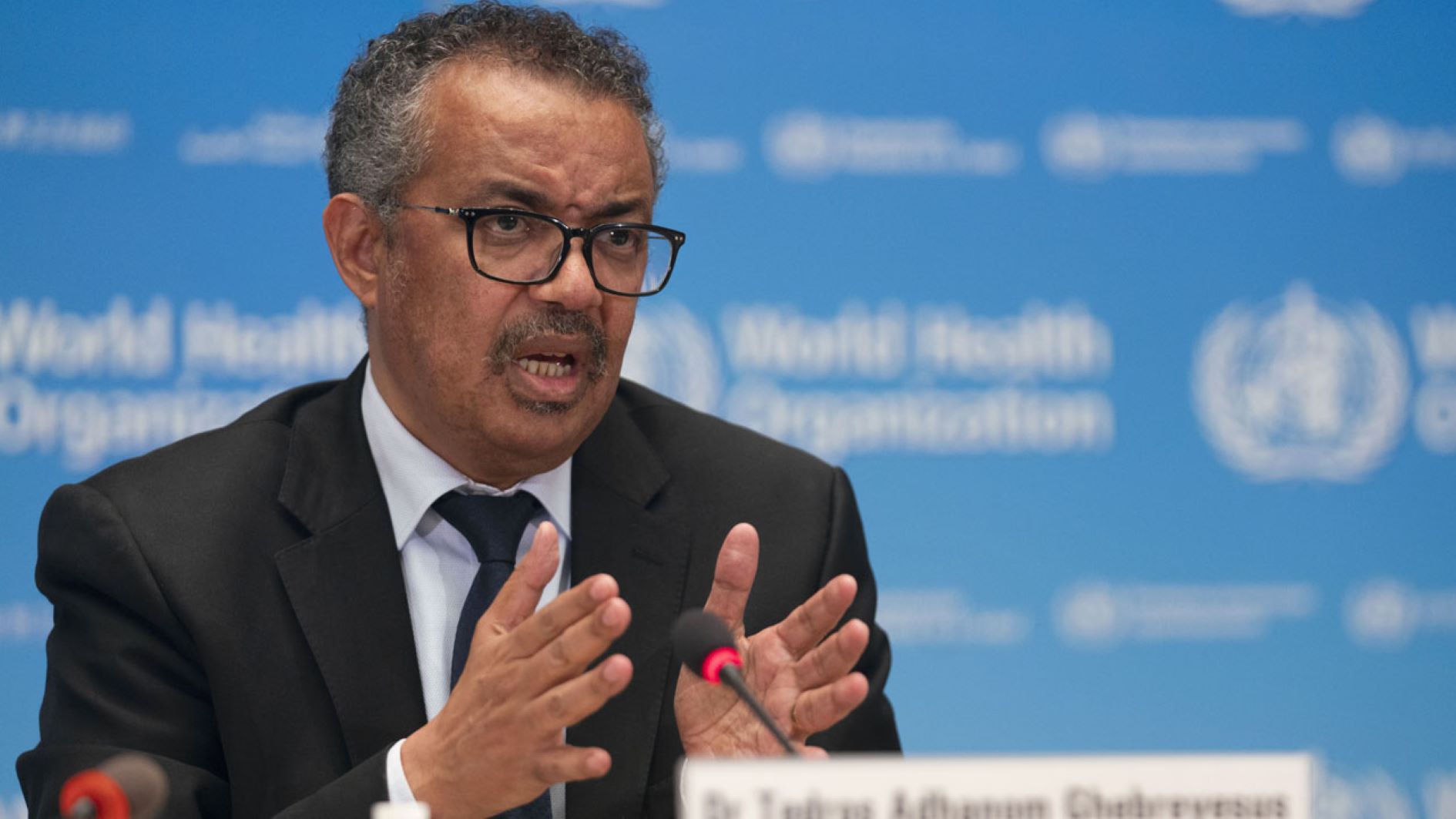
The Ebola outbreak WHO emergency declaration follows confirmed infections linked to the Bundibugyo strain of the Ebola virus, with cases reported across multiple areas, including urban centres and border communities. WHO Director-General Tedros Adhanom Ghebreyesus announced the decision after consultations with health authorities in both affected countries, stating that the situation meets the criteria of a Public Health Emergency of International Concern, though it is not classified as a global pandemic emergency.
In the Democratic Republic of Congo, particularly in the eastern Ituri province, health officials have reported around 246 suspected cases and approximately 80 deaths. Authorities warn that the outbreak may be larger than current data suggests due to challenges in surveillance and reporting.
In Uganda, officials confirmed that at least one patient who later died was a Congolese national, whose body had already been returned across the border. A further confirmed case has also been detected in Goma, an eastern Congolese city currently under the control of M23 rebels, according to international reports.
Read also:
- WHO: World ‘far behind’ on key 2030 health targets
- Africa CDC declares monkeypox a public health emergency
WHO has raised concern that ongoing insecurity, humanitarian challenges, high population movement, and the presence of informal healthcare systems in the region could significantly accelerate transmission. The agency also highlighted that countries bordering the Democratic Republic of Congo remain at high risk due to frequent trade and cross-border travel.
To contain the outbreak, WHO has urged both countries to establish emergency operations centres to strengthen monitoring, contact tracing, and infection prevention measures. It also recommended immediate isolation and treatment of confirmed cases until repeated tests confirm recovery.
For neighbouring countries, WHO advised strengthening surveillance systems but warned against unnecessary border closures, stating that such measures are not scientifically justified and often driven by fear rather than evidence.
Despite current containment efforts, WHO warned that uncertainties remain about the true scale of infections and the full geographic spread of the outbreak, stressing the need for urgent and coordinated international response.

