
The Federal Government has summoned the acting High Commissioner of South Africa for a crucial meeting in Abuja following rising concerns over Nigeria South Africa xenophobic attacks. The move comes amid reports of protests targeting foreign nationals, particularly Nigerians, along with attacks on their businesses across several South African cities.
According to a statement issued by the Ministry of Foreign Affairs spokesperson, Kimiebi Ebienfa, the meeting is scheduled to hold on Monday at the ministry’s headquarters. The engagement will address recent developments that could strain the long-standing diplomatic relationship between both nations. Historically, Nigeria and South Africa have maintained cordial ties, but the current situation has raised serious concerns at the highest levels of government.
The ministry stated that the objective of the meeting is to formally communicate Nigeria’s deep concern over incidents that may threaten bilateral relations. Discussions will centre on ongoing demonstrations in South Africa and documented cases involving Nigerian citizens. Reports indicate that protesters have engaged in harassment, violence, and intimidation, with some incidents occurring in Pretoria and other major cities.
There have also been disturbing accounts suggesting that foreign nationals, including schoolchildren, have been targeted. In some cases, protesters reportedly attempted to remove children of migrants from classrooms. These developments have intensified fears within the Nigerian diaspora and sparked calls for urgent government intervention.
Read also:
- Xenophobia: Nigerians set to return home as South African attacks worsen
- FG orders withdrawal of passports from Nigerians who renounce citizenship
The unrest has already led to fatalities, including the deaths of two Nigerians, further escalating tensions. In response, the Federal Government has urged citizens to remain calm while reaffirming its commitment to protecting Nigerians abroad. Officials emphasised that diplomatic efforts are underway to ensure safety and accountability.
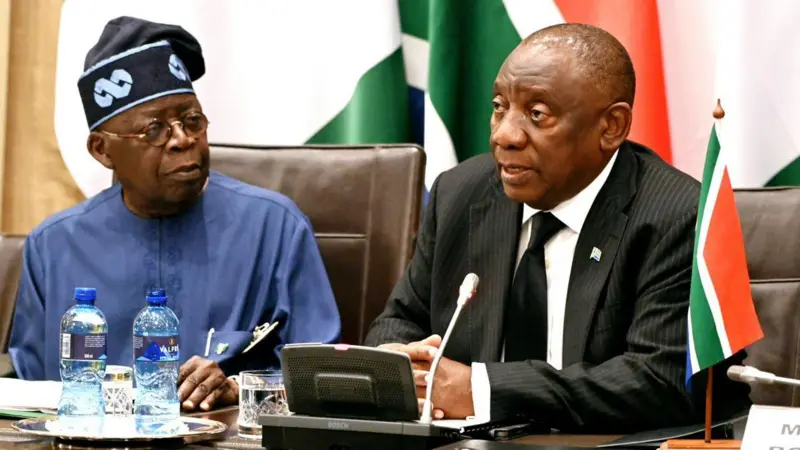
South African President Cyril Ramaphosa has also addressed the situation, urging foreign nationals to respect local laws while reaffirming his administration’s commitment to human rights.
As discussions unfold, the outcome of the Abuja meeting is expected to play a key role in shaping the next steps regarding Nigeria South Africa xenophobic attacks and the broader relationship between the two countries.

