
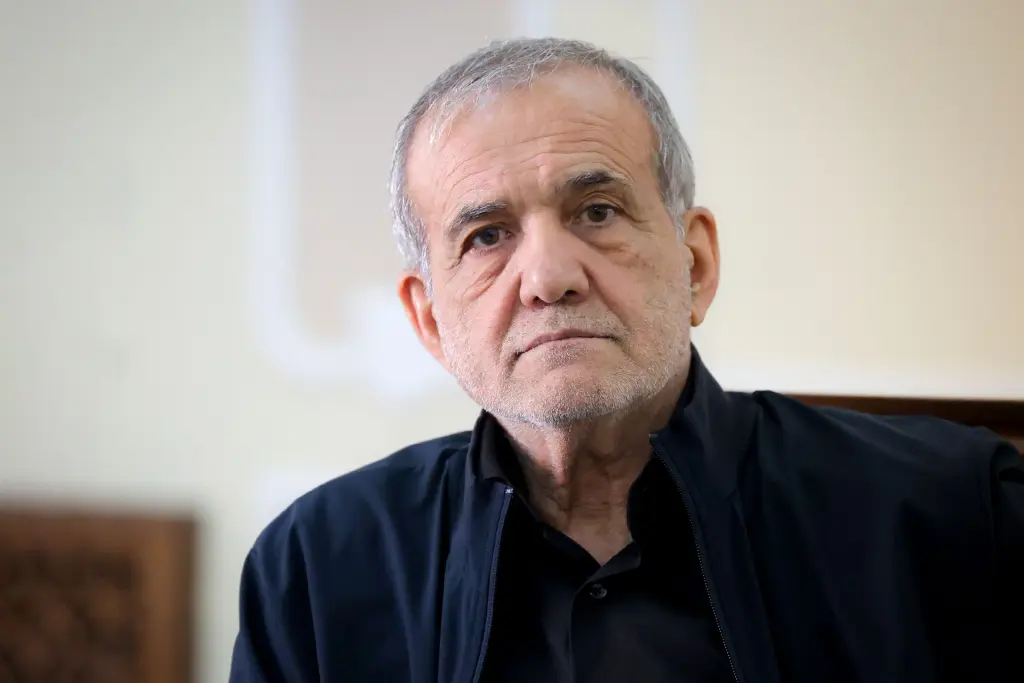
Iran’s President Masoud Pezeshkian has criticised the US naval blockade Iran, calling it “doomed to fail” and warning that it will further heighten tensions across the Persian Gulf.
In a formal statement issued on Thursday, Pezeshkian said the move violates international law and does not contribute to regional security. He argued that the policy is instead increasing political pressure and worsening relations between Tehran and Washington.
The United States introduced the naval blockade on April 13 following a ceasefire agreement. Since then, enforcement has focused on limiting Iranian maritime exports, particularly oil shipments. Iran has responded with resistance, maintaining a firm position around strategic waterways such as the Strait of Hormuz, a key global shipping route.
Military tensions have also risen alongside the dispute. Mohsen Rezaei, a senior adviser to Iran’s Supreme Leader, warned that continued U.S. naval activity could lead to serious consequences, including potential strikes on American vessels and the capture of personnel if conflict escalates.
Iran’s defence leadership has also signalled readiness for further escalation. Navy commander Shahram Irani stated that new domestically developed naval weapons will be deployed in the near future, suggesting an expansion of Iran’s maritime capabilities. Meanwhile, Oil Minister Mohsen Paknejad dismissed concerns over economic disruption, saying Iran’s oil sector continues to function despite external pressure.
Read also:
- Trump says Iran and Ukraine wars could end “on a similar timetable”
- Trump reportedly plans long blockade of Iran, new report claims
The ongoing dispute is adding strain to global energy markets, with analysts warning that prolonged instability in the Persian Gulf could disrupt international oil supply chains and increase price volatility.
As both sides remain firmly positioned on maritime control and nuclear-related disagreements, the situation continues to attract global attention. Observers caution that the continued standoff could carry wider regional and economic implications if diplomatic efforts fail to ease tensions.

