
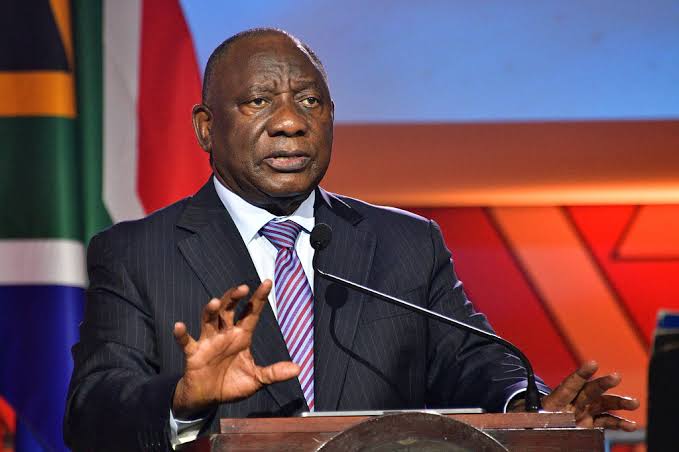
President Cyril Ramaphosa has responded to the growing unrest across major cities, stating that the South Africa anti-foreigner protests are largely driven by economic hardship rather than deep-rooted xenophobia. His remarks come amid rising tensions involving foreign nationals and increasing public concern over safety and stability.
Speaking on Wednesday during an official engagement with Mozambique, Ramaphosa explained that many South Africans are currently facing difficult economic conditions. He noted that unemployment, rising living costs, and financial strain have created frustration among citizens, which in some cases has spilled over into protests targeting migrants.
Economic Pressure Behind South Africa Anti-Foreigner Protests
According to the president, the ongoing protests should be viewed within the context of broader economic struggles. He emphasised that South Africans are not inherently xenophobic but are reacting to challenging socio-economic realities. This perspective aims to shift the narrative from blame to understanding the root causes of the unrest.
Ramaphosa Urges Calm Amid Xenophobia Concerns
Ramaphosa called for calm and restraint among citizens, urging communities to avoid violence and unlawful actions. He reaffirmed his administration’s commitment to maintaining peace and ensuring that all individuals within the country are treated with dignity and respect, regardless of their nationality.
Immigration Compliance and Legal Documentation
The president also highlighted the importance of proper documentation for foreign nationals residing in South Africa. He encouraged migrants to comply fully with immigration laws, noting that this will help reduce tensions and promote better integration within communities.
Read also:
- Xenophobia: 130 Nigerians register for South Africa evacuation – Minister
- Xenophobia: Nigerians set to return home as South African attacks worsen
Rising Tensions in South African Cities
Recent reports indicate that protests have occurred in several major urban areas, with incidents involving harassment and hostility toward foreign nationals. These developments have raised concerns both locally and internationally, prompting calls for stronger intervention and policy responses.
As the situation evolves, the government’s approach will be closely monitored, particularly in how it balances economic recovery with social stability. The issue of South Africa anti-foreigner protests remains a key topic in national and regional discussions, highlighting the need for sustainable solutions to both economic and social challenges.

