
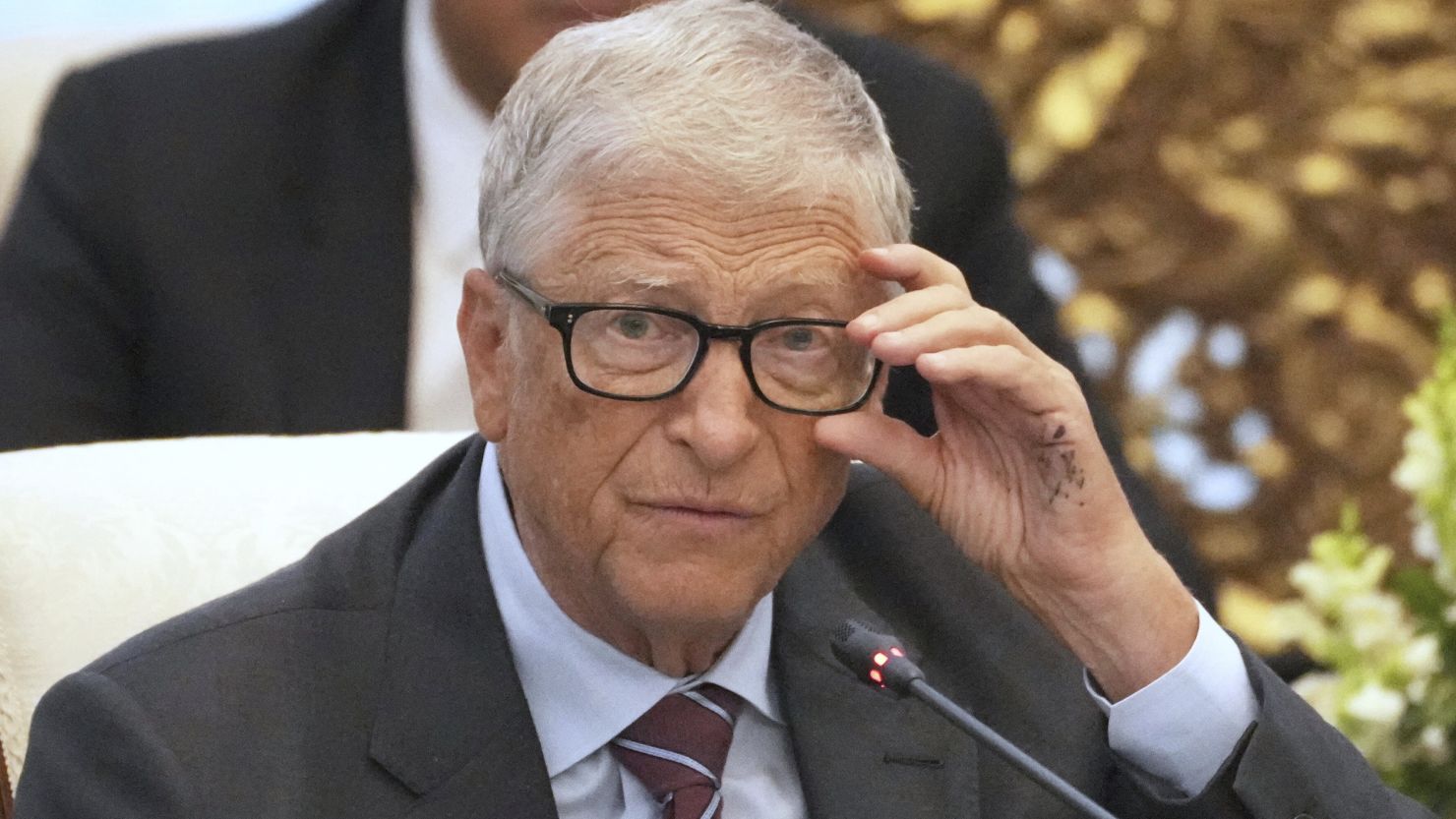
Bill Gates sounds a dire warning: the world is failing its children
Bill Gates is raising the alarm, and the world cannot afford to ignore it.
In his latest Goalkeepers report, “We Can’t Stop at Almost,” Gates warns that for the first time this century, global progress in reducing child mortality is reversing.
“It doesn’t have to be like this,” he says — but the numbers are grim. After decades of steady decline, the number of children dying before their fifth birthday is rising again.
Research from the Institute for Health Metrics and Evaluation shows 4.6 million children died before age five in 2024, a figure expected to climb to 4.8 million this year. Gates likens this to over 5,000 classrooms of children gone before they ever learn to write their name or tie their shoes.
The surge comes as global health funding collapses. Development assistance for health has dropped nearly 27% compared to last year, while major international aid programs have been slashed or dismantled entirely. Gates calls this a “significant reversal in child deaths” and a wake-up call for anyone claiming to care about science or humanity.
If global health funding falls by 20%, an extra 12 million children could die by 2045. A 30% cut would push that number to 16 million. Gates warns the world risks becoming the generation with the most advanced science in history — yet one that failed to save the lives it could have.
Earlier this year, Gates pledged nearly all of his remaining $100 billion fortune to fight deadly diseases and continue reducing child mortality. But he stresses that philanthropy alone is not enough. Governments, particularly in wealthy nations, must act — or the crisis will worsen. Infectious diseases will surge if funding and preventive measures are not maintained.
The report delivers a blunt message: if the world looks away now, history will remember it as the generation that almost ended preventable child deaths, almost eradicated polio, almost wiped out malaria, almost defeated HIV — but stopped too soon.
Despite financial strains, Gates stresses that solutions already exist. Strengthening primary health care can prevent up to 90% of child deaths through early diagnosis and basic medical access. Routine immunisation remains the smartest investment in global health, delivering massive social and economic returns.
Emerging tools — from advanced malaria prevention technologies to new maternal vaccines for RSV and Group B strep — could save millions of young lives in the coming years. But only if the world chooses to act.

