
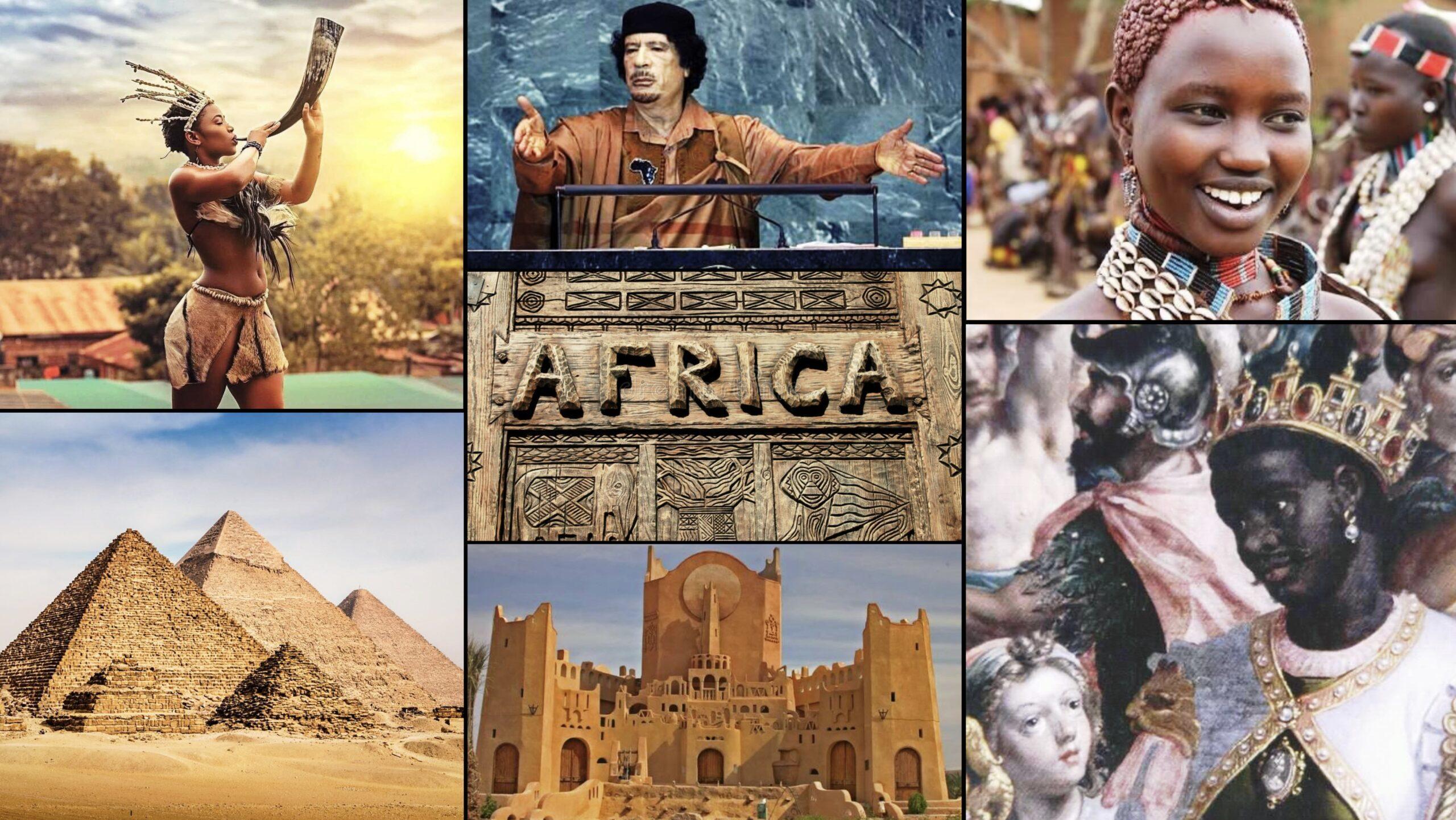
Africa’s history is a rich tapestry woven with triumph, resilience, and transformative change. Spanning millennia, the continent has nurtured some of humanity’s earliest civilizations and has been the battleground for intense struggles against colonialism and oppression.
Here are ten defining moments that have shaped Africa’s destiny and left an indelible mark on global history:
1. The Ancient Egyptian Civilization (c. 3100–30 BCE)
Ancient Egypt, one of the earliest and most influential civilizations, set the foundation for advancements in architecture, writing, and governance. The construction of monumental pyramids and the development of hieroglyphics, one of the earliest writing systems, are among its legacies. Egypt’s cultural and religious achievements have profoundly impacted subsequent civilizations in Africa and beyond.
2. The Berlin Conference (1884–1885)
The Berlin Conference marked a pivotal moment as European powers, excluding African representation, divided the continent into colonies. This arbitrary demarcation led to the exploitation of Africa’s resources and disruption of ethnic and cultural groups. The effects of this conference continue to shape Africa’s modern borders and conflicts.
3. The Ethiopian Victory at the Battle of Adwa (1896)
Ethiopia, under Emperor Menelik II, achieved a significant victory at the Battle of Adwa, repelling an Italian invasion. This triumph preserved Ethiopia’s sovereignty during an era of widespread colonisation and became a symbol of resistance and inspiration for other African nations fighting for freedom.
4. The Independence of Ghana (1957)
Ghana’s independence from British colonial rule in 1957, led by Kwame Nkrumah, was a groundbreaking event in African history. As the first sub-Saharan African country to gain independence, Ghana sparked a wave of decolonization across the continent, inspiring numerous independence movements and leading to the liberation of many African nations.
5. The Sharpeville Massacre (1960)
The Sharpeville Massacre on March 21, 1960, was a critical juncture in the struggle against apartheid in South Africa. Police opened fire on peaceful protesters, killing 69 and injuring many more. This tragic event galvanized both national and international opposition to apartheid, leading to increased resistance and global sanctions that contributed to the system’s eventual end.
6. The End of Apartheid and Nelson Mandela’s Presidency (1994)
The end of apartheid in South Africa and Nelson Mandela’s election as the country’s first Black president in 1994 were monumental. Mandela’s presidency marked the beginning of a new era of democracy and reconciliation, symbolizing the triumph of justice and paving the way for a hopeful future for South Africa.
7. The Rwandan Genocide (1994)
The Rwandan Genocide, a horrific event in which over 800,000 Tutsi and moderate Hutus were killed within 100 days, highlighted the devastating effects of ethnic conflict and political manipulation. This tragedy underscored the urgent need for conflict resolution and international intervention in preventing such atrocities.
8. The Arab Spring and the Fall of Gaddafi (2011)
The Arab Spring brought a wave of pro-democracy uprisings across North Africa and the Middle East. In Libya, this movement led to the fall of dictator Muammar Gaddafi after four decades of rule, significantly altering North Africa’s political landscape and creating both challenges and opportunities for new governance models.
9. The Ebola Outbreak in West Africa (2014–2016)
The Ebola outbreak in West Africa was one of the deadliest epidemics in recent history, with over 11,000 lives lost. The crisis highlighted global public health issues, prompted international collaboration, and led to significant improvements in healthcare infrastructure across Africa. It also demonstrated the importance of global solidarity in addressing health emergencies.
10. The #EndSARS Protests in Nigeria (2020)
The #EndSARS movement in Nigeria emerged as a powerful example of youth activism and the demand for governmental reform. Initially aimed at ending police brutality by the Special Anti-Robbery Squad (SARS), the protests evolved into a broader call for accountability, justice, and an end to corruption, resonating across Africa and highlighting the growing role of social media in political activism.
These pivotal moments reflect Africa’s enduring strength, diversity, and dynamism. They have not only shaped the continent’s history but continue to influence its trajectory as Africa asserts its role on the global stage.

