
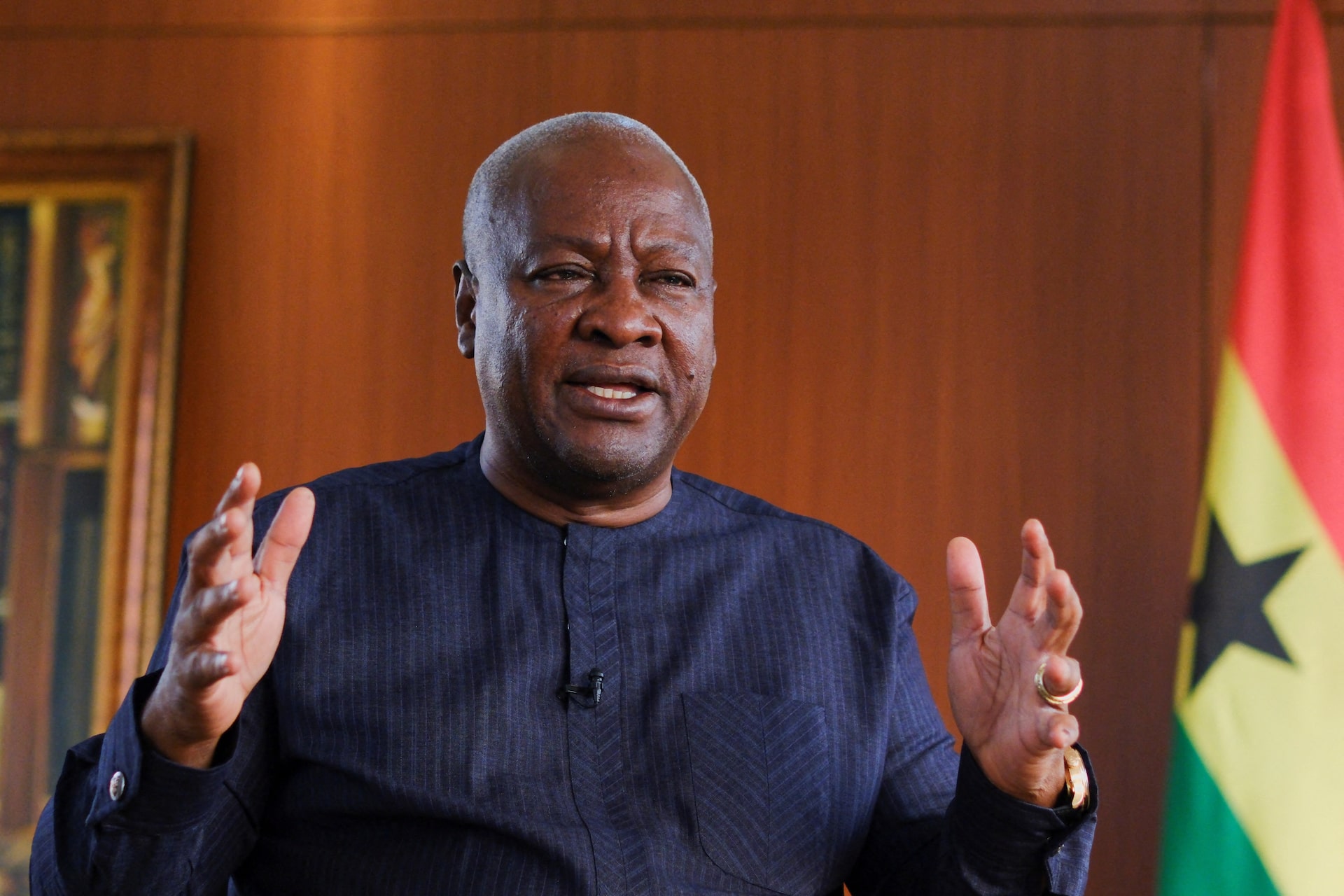
The Ghana Embassy in Washington, D.C. has expressed disappointment after Lincoln University withdrew plans to award an honorary doctorate to President John Dramani Mahama during his visit to the United States.
In a statement released on March 24, the embassy explained that the university’s decision followed concerns raised by a group regarding the president’s perceived stance on Ghana’s Human Sexual Rights and Family Values Bill, widely known as the anti-gay bill, which is currently under consideration in Parliament.
The embassy noted that the visit and award had already been agreed upon after extensive discussions between both parties, with all preparations completed ahead of the scheduled ceremony on Thursday, March 26. It described the university’s last-minute decision as both surprising and regrettable, especially since the concerns were not raised during earlier engagements or vetting processes.
According to the embassy, the issues highlighted relate to an ongoing legislative process in Ghana rather than the position of any individual. It further emphasised that President Mahama has consistently demonstrated leadership rooted in democratic values, respect for human rights, and inclusive dialogue.
Lincoln University had previously stated on March 19 that the honorary doctorate was intended to recognise Mahama’s contributions to public service, democratic governance, peaceful international and inter-African relations, as well as his advocacy for justice, equality, and education.
The university also shares historic ties with Ghana, as the country’s founding president studied there. Associate Professor Gnaka Lagoke, Chair of the Pan-Africana Studies Department, described the planned honour as symbolic, linking Mahama’s leadership to the legacy of Kwame Nkrumah and highlighting its significance at a crucial moment in his international advocacy efforts.
President Mahama is currently in New York, where he is scheduled to address the United Nations General Assembly on March 25. During the session, he will present a proposal seeking global recognition of the Transatlantic Slave Trade as a crime against humanity.
African leaders have described the resolution, first introduced at the African Union and the United Nations in 2025, as a major step toward advancing the global call for reparatory justice.

