
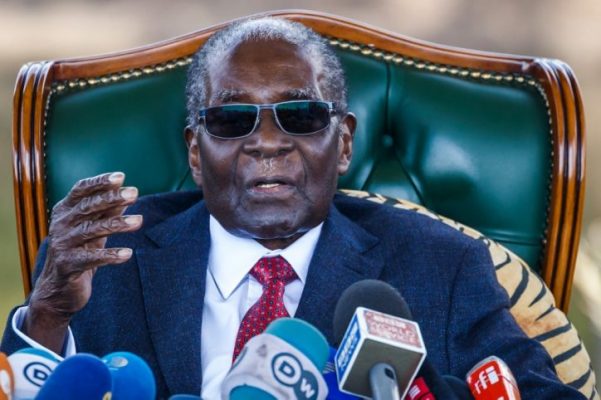
Zimbabwe land reform farms policy is once again in the spotlight as the government announces plans to return dozens of foreign-owned farms seized more than two decades ago. The move affects properties taken during the controversial land reform programme launched under former President Robert Mugabe in 2000.
Agriculture Minister Anxious Masuka confirmed on Friday that 67 farms protected under bilateral investment agreements will be restored to investors from Denmark, Germany, the Netherlands, and Switzerland. These properties were previously seized but remained largely unoccupied.
The original land reform drive led by Mugabe saw thousands of white farmers evicted in an effort to correct colonial-era land ownership imbalances. While the policy was popular domestically, it triggered international sanctions and contributed to Zimbabwe’s prolonged economic isolation.
Under the new arrangement, more than 400 white farmers will now be allowed to repurchase all or parts of their former farms. In addition, about 840 farms owned by black Zimbabweans are also set to be returned to their original owners, signalling a broader review of past allocations.
Despite these changes, the government insists the core principle of Zimbabwe land reform farms redistribution remains unchanged. Masuka stressed that land reform is central to national identity, describing it as a struggle against colonial oppression and stating that the process is “irreversible.”
However, critics have raised concerns about the policy shift. Social justice activist Tendai Mbofana described it as inconsistent, arguing that the government’s rhetoric does not match its recent concessions.
Read also:
- South Africa Not Xenophobic, Economic Pressure Behind Protests — President Cyril Ramaphosa
- lFlight Attendant Hospitalized After Contact With Hantavirus Passenger
This policy adjustment also comes years after President Emmerson Mnangagwa approved a $3.5 billion compensation agreement for displaced commercial farmers in 2020. Implementation has been delayed due to Zimbabwe’s heavy $21 billion debt burden.
Analysts believe the latest decision may be part of wider efforts to rebuild trust with Western investors and creditors, as Zimbabwe continues to struggle with economic instability and food production challenges in its agricultural sector.

