
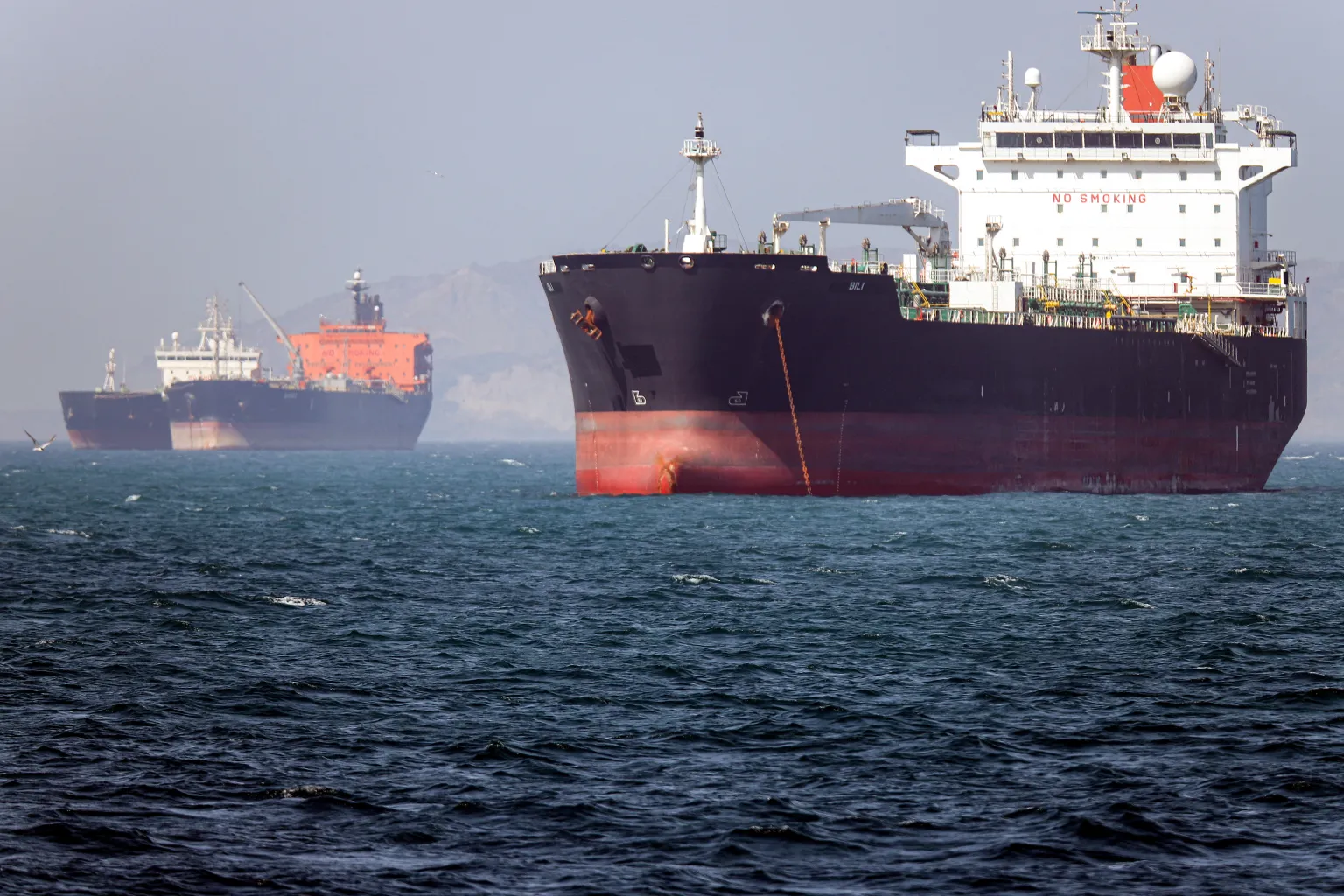
US President Donald Trump has confirmed that American forces disabled an Iranian oil tanker during rising tensions in the Gulf of Oman, even as ongoing US Iran peace negotiations appear to be moving closer to a possible agreement. The incident has added fresh uncertainty to an already fragile situation involving military threats, nuclear concerns, and the future of global oil transit routes.
According to United States military officials, the tanker allegedly attempted to breach the US blockade on Iranian ports. Authorities stated that several warnings were issued before military action was taken against the vessel. The development comes at a time when both Washington and Tehran are reportedly discussing terms that could reduce tensions and reopen the strategically vital Strait of Hormuz.
US Iran Peace Negotiations Face New Tensions
Speaking during a Mother’s Day event at the White House, Trump claimed that US forces recently intercepted 111 Iranian missiles aimed at an American aircraft carrier. He described the missiles as advanced, long-range weapons travelling at high speeds, but insisted that all were successfully destroyed before reaching their target.
Trump also warned Iran of severe military consequences if negotiations collapse. He stated that the military operation known as “Epic Fury” could officially end if Tehran accepts the proposed peace framework. However, he cautioned that failure to agree would result in intensified military action.
Iran Nuclear Deal and US Iran Peace Negotiations
Reports suggest the proposed agreement includes a 14-point framework requiring Iran to suspend uranium enrichment activities for at least 12 years. In return, sanctions imposed on Tehran would gradually be lifted, and frozen Iranian assets could be released.
The deal would also restore unrestricted shipping through the Strait of Hormuz, a key global oil route responsible for transporting nearly 20% of the world’s oil supply. Restrictions would reportedly ease over a 30-day period under international monitoring.
Strait of Hormuz Crisis and Global Oil Concerns
The Strait of Hormuz remains central to the ongoing crisis. Following reports of progress in the US Iran peace negotiations, global oil prices reportedly declined amid optimism that the waterway may soon fully reopen to commercial shipping traffic.
An account linked to Iran’s Islamic Revolutionary Guard Corps suggested that safe passage through the strait could resume under new conditions. The proposed agreement is also said to include tighter restrictions on underground nuclear facilities and expanded international inspection powers.
Read also:
- US Secretary of State Marco Rubio Says Iran Operation Over, Objectives Achieved
- US Warship Hit by Two Missiles Near Strait of Hormuz, Iran Claims
Regional Conflict Threatens US Iran Peace Negotiations
Despite diplomatic progress, tensions across the Middle East remain high. Reports indicate that Israel is preparing contingency plans for fresh strikes on Iran if negotiations fail. The reported targets include energy infrastructure and senior Iranian officials.
Meanwhile, the United States has temporarily paused “Project Freedom,” the naval operation designed to escort commercial ships through the Strait of Hormuz. US Defense Secretary Pete Hegseth clarified that the ceasefire remains active and that the pause does not signal the collapse of ongoing talks.
The fragile US Iran peace negotiations continue as both sides attempt to avoid a wider regional conflict while balancing security concerns, nuclear demands, and economic pressures.

