
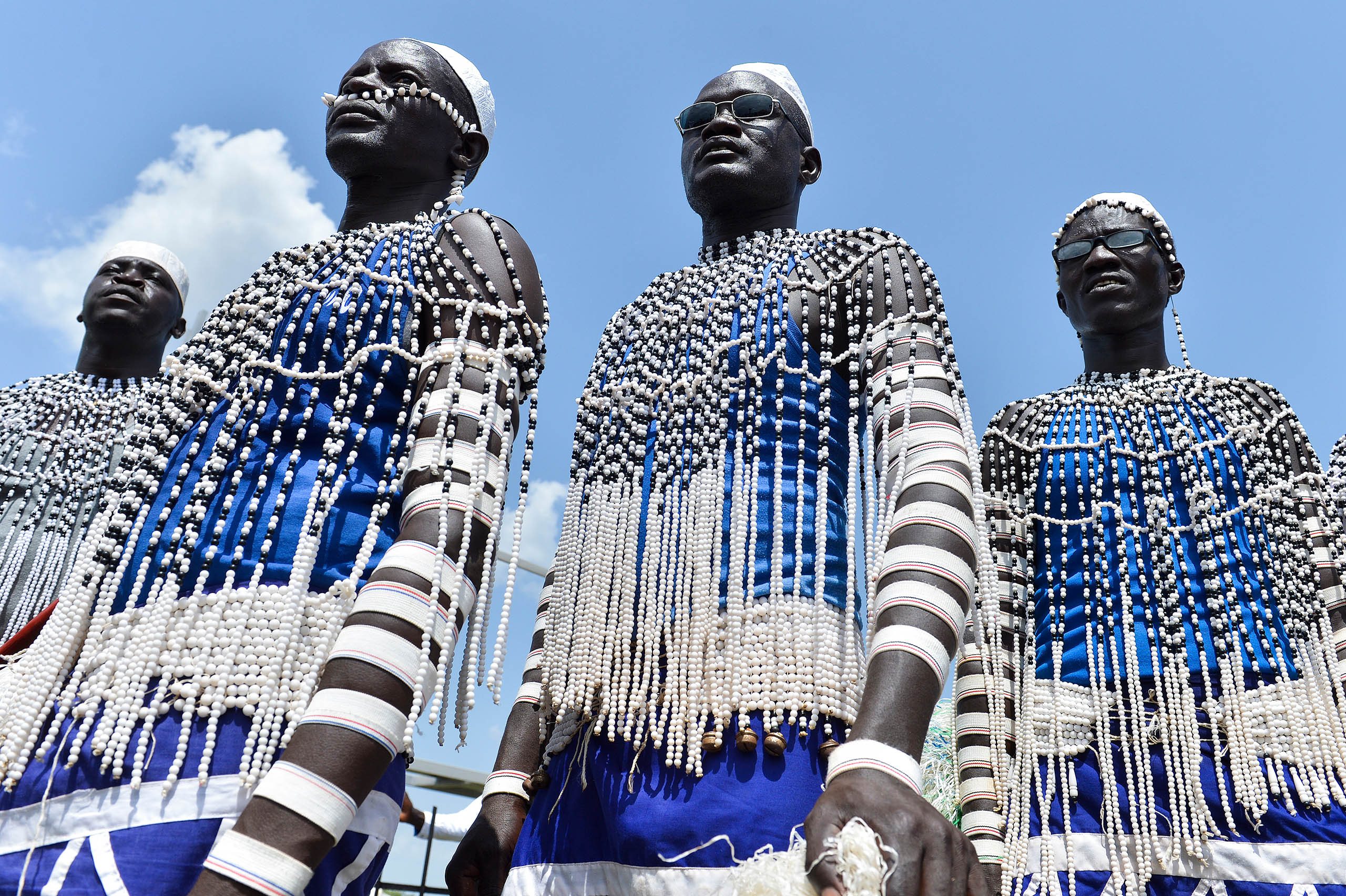
South Sudan: The ‘Last’ Country to Gain Independence
In a world where borders have been drawn and redrawn countless times, South Sudan stands as the most recent country to declare independence.
On July 9, 2011, South Sudan officially seceded from Sudan, becoming the world’s newest nation. This monumental event marked the end of decades of civil war, ethnic tensions, and political strife between the predominantly Arab north and the African south. It was a hard-won victory for a people who had long been marginalized and whose pursuit of self-determination was shaped by years of conflict.
The birth of South Sudan was celebrated both within the country and across the globe. However, the challenges of building a stable and prosperous state have been daunting. While independence brought hope for peace and a new beginning, the nation has since been plagued by internal conflicts, economic struggles, and a humanitarian crisis that continues to affect millions of its citizens.
From Battlefield to Independence
South Sudan’s journey to independence was long and fraught with conflict. Under British-Egyptian colonial rule, policies favoured the Arab Muslim north, leaving the predominantly Christian and Animist south neglected. This disparity led to deep-seated discontent, eventually escalating into two major civil wars: the first from 1955 to 1972 and the second from 1983 to 2005.
The Comprehensive Peace Agreement (CPA), signed in 2005 between Sudan’s government and the Sudan People’s Liberation Movement (SPLM), ended the second civil war and laid the groundwork for South Sudan’s secession. A pivotal referendum in January 2011 saw 98.83% of South Sudanese vote for independence. On July 9, 2011, South Sudan officially became the world’s newest nation.
Challenges of Nationhood
The initial celebrations of South Sudan’s independence were filled with high hopes for peace and prosperity. However, the realities of nation-building quickly became apparent. The new country faced deep ethnic, political, and economic divisions. Although oil wealth offered potential for development, it also sparked disputes with Sudan over revenue sharing and border issues.
Internal unity proved elusive, and just two years after independence, in December 2013, South Sudan descended into civil war between President Salva Kiir and former Vice President Riek Machar. This conflict, marked by ethnic divisions between Kiir’s Dinka tribe and Machar’s Nuer tribe, led to tens of thousands of deaths and displaced millions, plunging the country into a severe humanitarian crisis.
The Ongoing Search for Stability
Efforts to restore peace have been ongoing, with various agreements, including a peace deal that saw Machar return as vice president in a unity government, bringing some stability. However, peace remains fragile, with occasional outbreaks of violence.
Despite these challenges, the resilience of the South Sudanese people remains strong. The country has made incremental progress in rebuilding infrastructure and establishing government institutions, though widespread poverty, limited access to basic services, and food insecurity continue to affect the population.
South Sudan’s Global Role
As the world’s newest country, South Sudan symbolizes hope and self-determination, but it also highlights the complexities of nation-building. International support, including aid and peacekeeping efforts from the United Nations and other organizations, has been crucial in stabilizing the country.
South Sudan’s story is part of the broader narrative of African nations pursuing self-determination. Its independence represents a significant moment in post-colonial history, illustrating both the achievements and ongoing struggles of new nations.
While South Sudan’s independence was a landmark achievement, the journey since 2011 has been marked by both progress and hardship. As it continues to face challenges, the world watches closely, hopeful for a brighter future for this resilient new nation. South Sudan may be the ‘last’ country to gain independence, but its story is far from over.

