
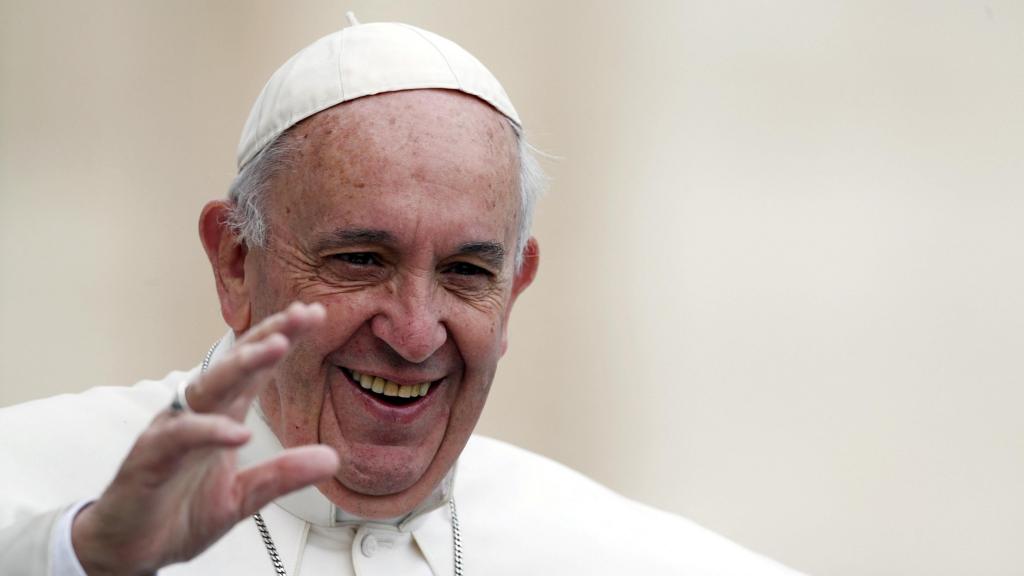
Pope Francis, the first Latin American leader of the Roman Catholic Church, has died at the age of 88, the Vatican announced in a video statement on Monday. His passing marks the end of a papacy often defined by internal tensions and bold efforts to modernise the centuries-old institution.
“Dear brothers and sisters, it is with profound sadness I must announce the death of our Holy Father Francis,” Cardinal Kevin Farrell said on the Vatican’s television channel. “At 7:35 this morning, the Bishop of Rome, Francis, returned to the house of the Father.”
The Pope’s death comes just one day after his first extended public appearance since being discharged on March 23 from a 38-day hospitalisation for double pneumonia. On Easter Sunday, Francis rode through St. Peter’s Square in an open-air popemobile, waving to crowds and offering his first special blessing since Christmas.
Born Jorge Mario Bergoglio, he was elected pope on March 13, 2013, surprising many who had viewed the Argentine cleric—known for his deep concern for the poor—as a long shot. From the beginning, he signalled a break from tradition, declining to move into the lavish papal apartments and instead choosing communal living for what he called his “psychological health.”
Francis inherited a church reeling from clerical abuse scandals and mired in bureaucratic infighting. He was chosen with a clear mandate to restore order. However, his tenure was marked by polarisation: conservatives accused him of undermining long-held traditions, while progressives criticised him for not going far enough in reforming the Church.
Despite internal opposition, Pope Francis emerged as a global figure, known for championing interfaith dialogue, peace efforts, and support for the marginalised, including migrants and the poor.
In an unprecedented situation in modern Vatican history, Francis led the Church alongside his predecessor, Pope Benedict XVI, who had continued living within the Holy See following his unexpected resignation in 2013. Benedict, a symbol of conservative Catholicism, passed away in December 2022, leaving Francis as the sole figurehead of the papacy.
During his time as pope, Francis appointed nearly 80% of the cardinal electors who will vote for his successor—significantly shaping the future direction of the Church and increasing the likelihood that his progressive approach will live on.

