
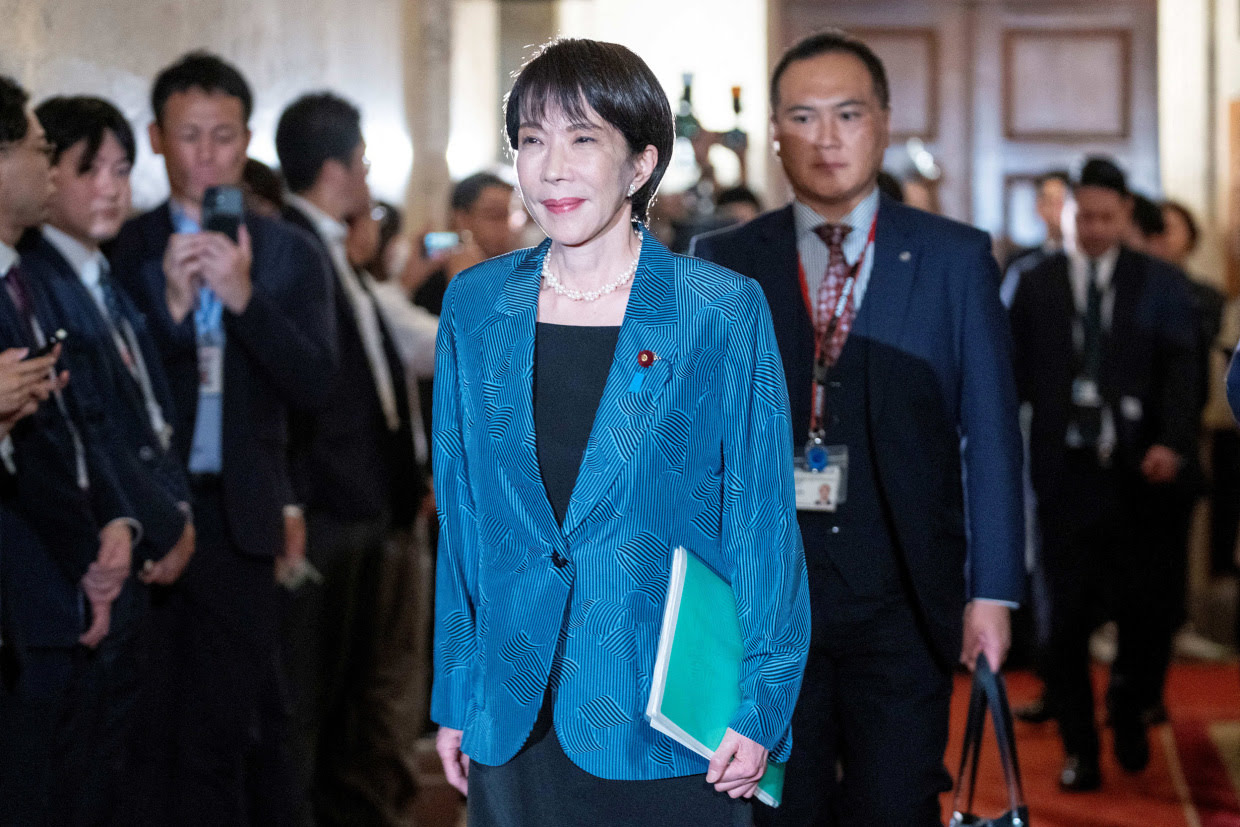
Hardline conservative Sanae Takaichi has been elected Japan’s new prime minister, becoming the first woman in modern history to lead the country.
Takaichi, 64, secured her victory on Tuesday, Oct. 21, after winning 237–149 against Yoshihiko Noda, leader of the opposition Constitutional Democratic Party, in the lower house vote. She was later confirmed by the upper house in a 125–46 ballot, following a near miss in the initial round.
Her election marks a historic milestone in a nation where women remain underrepresented in politics.
As the new head of the ruling Liberal Democratic Party (LDP), Takaichi takes office with a weakened coalition and faces a series of urgent challenges, including an upcoming visit from U.S. President Donald Trump.
A protégé of the late former Prime Minister Shinzo Abe, Takaichi is known for her nationalist views — supporting a stronger military, tighter immigration laws, and a revision of Japan’s pacifist constitution. Over her long political career, she has served as minister of economic security, internal affairs, and gender equality.
Earlier this month, she won the LDP leadership after previous unsuccessful bids in 2021 and 2024. However, her path to the premiership was uncertain after a key coalition partner, the centrist Komeito party, withdrew its support.
To secure a governing majority, the LDP struck a last-minute deal with the right-leaning Japan Innovation Party (Ishin), a move that pushes the coalition further to the political right.
Even with this alliance, Takaichi inherits a challenging landscape — the LDP’s standing has weakened after recent election losses, fuelled by corruption scandals and rising living costs.
“She emerges from this a diminished leader from the get-go,” said Jeff Kingston, professor of Asian studies at Temple University’s Japan campus.
Takaichi’s leadership will face an immediate diplomatic test with Trump’s arrival next week, as he embarks on his first Asia trip since returning to office, including stops in Malaysia, Japan, and South Korea for a major Asia-Pacific summit.
“She doesn’t have a whole lot of time to prepare for an intense round of diplomacy,” Kingston noted. “But job one is the Japanese economy.”

