
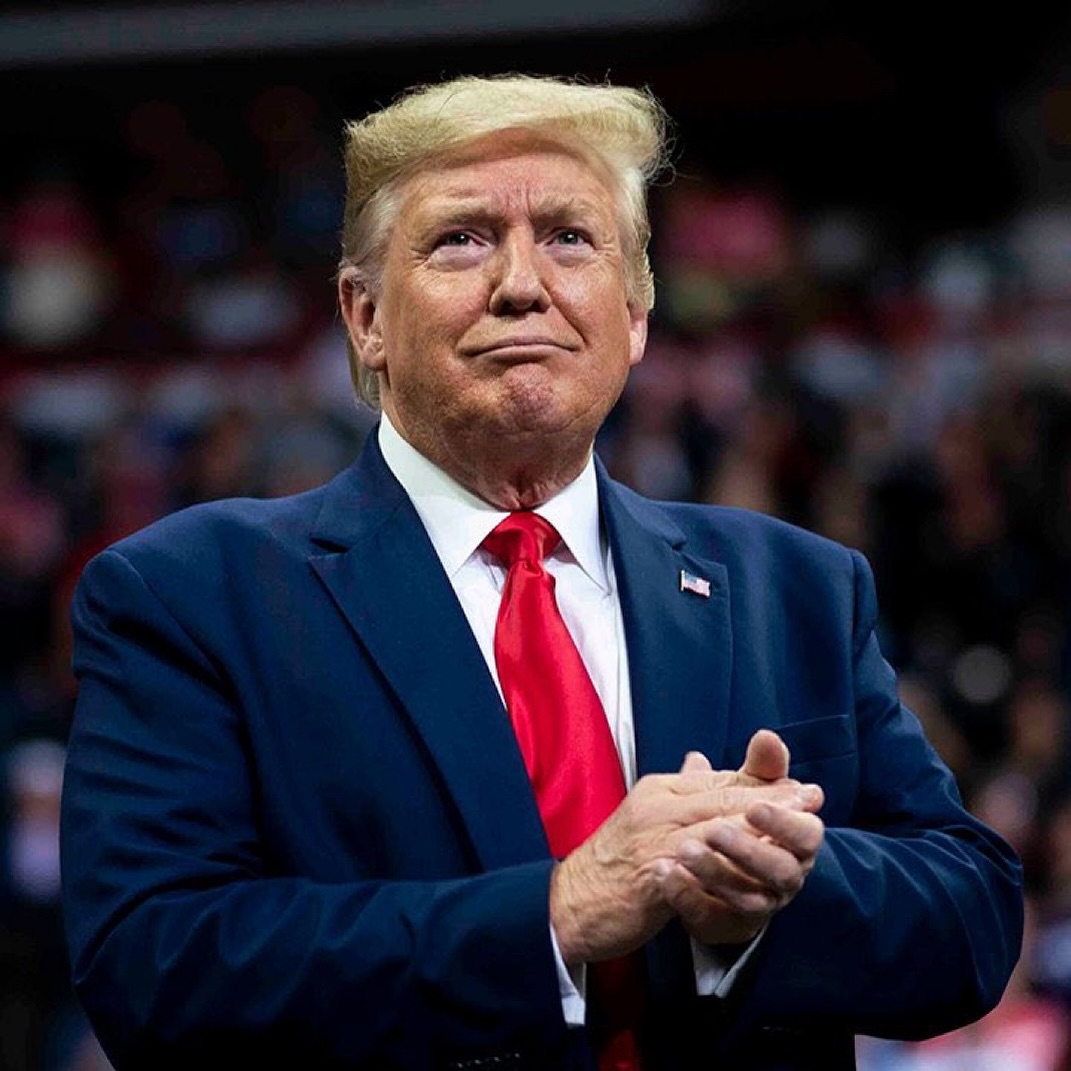
On Monday, the Supreme Court issued a landmark ruling regarding former President Donald Trump’s potential criminal liability for actions taken during his presidency. In a 6-3 decision split along ideological lines, the court determined that Trump cannot be held criminally accountable for certain actions he took in attempting to overturn the 2020 election results.
The case, known as Trump v. United States, originated from Trump’s federal election interference trial. His legal team argued for presidential immunity against conspiracy and obstruction charges related to his official duties while in office.
Chief Justice John Roberts, writing for the majority, stated that while “the President is not above the law,” there are circumstances where a former president is entitled to immunity from prosecution for official acts. The court’s opinion asserts that under the separation of powers doctrine, a former president has absolute immunity from criminal prosecution for actions within their “conclusive and preclusive constitutional authority.”
This ruling overturns a previous federal appeals court decision that had unanimously rejected Trump’s immunity arguments in his January 6 case. The appeals court’s opinion, which legal experts like George Conway had praised as comprehensive and legally sound, has now been effectively nullified.
The Supreme Court’s decision is expected to significantly impact, and potentially halt, the January 6 trial that was to be overseen by U.S. District Judge Tanya Chutkan. The ruling introduces a new legal standard, suggesting that presidents may have presumptive immunity for official acts, while maintaining that there is no immunity for unofficial acts.
This unexpected outcome has far-reaching implications for presidential accountability and the scope of executive power in the United States.

