
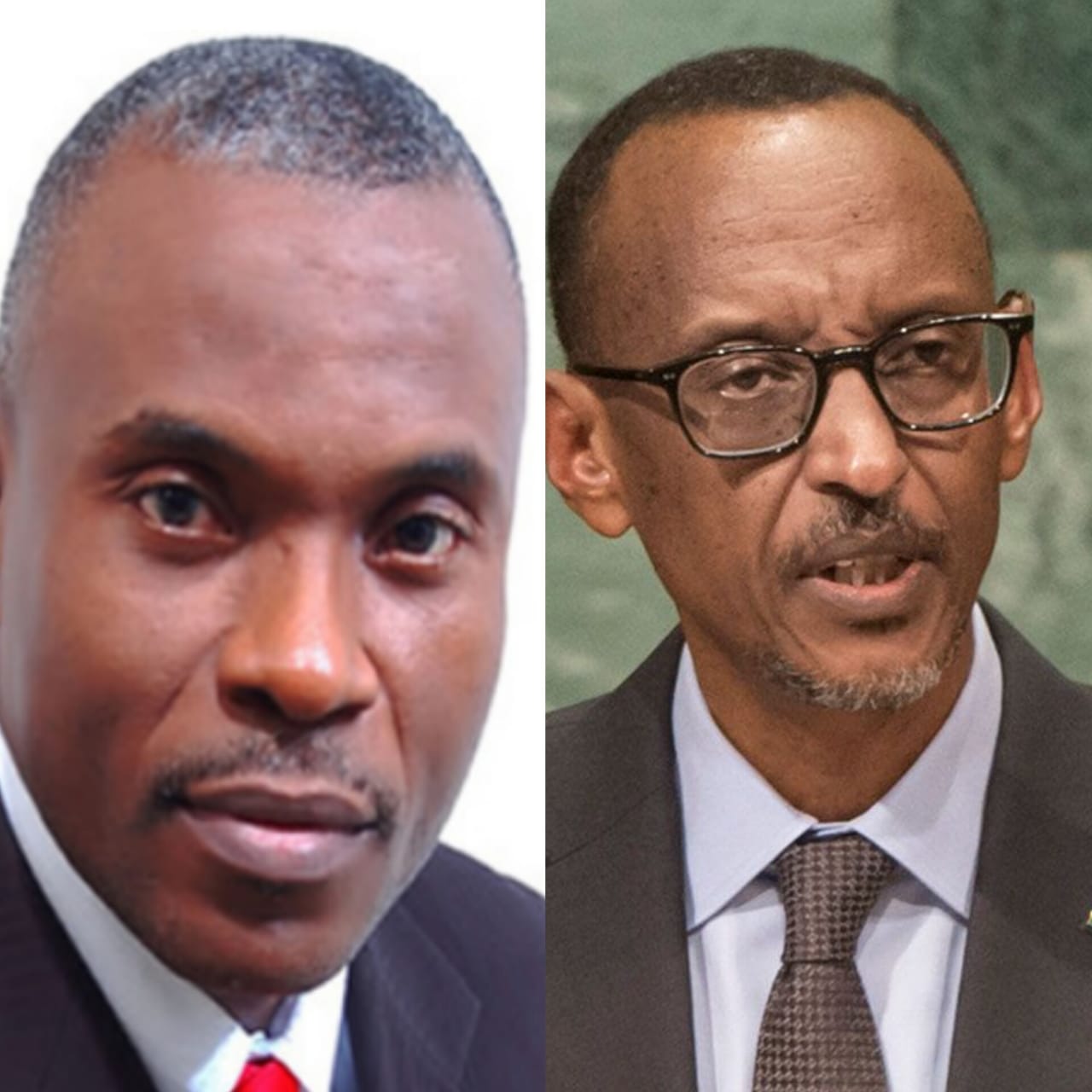
Just last week, Paul Kagame of Rwanda was sworn in for his fourth term, extending his time in office by another five years. By the end of this new term in 2029, Kagame will have officially governed Rwanda for 29 years, not including the unofficial six years he was in charge before formally becoming president.
Kagame, who led the Rwandan Patriotic Front to power in 1994, served as vice president and minister of defence until 2000. Although he was not the official president during this period, he wielded significant power, surpassing the de jure president, Pasteur Bizimungu, who was later forced to resign. Bizimungu, who attempted to form a new political party, was sentenced to 15 years in prison but was pardoned by Kagame after three years.
Including those six years as de facto leader, Kagame will have been in power for 30 years with the additional five-year term secured this year.
In the July 15 Rwandan election, Kagame achieved a record-breaking 99.18% of the vote, surpassing his previous records of 98.63% in 2017, 93% in 2010, and 95% in 2003. The National Electoral Commission reported a 98% voter turnout and disqualified some presidential candidates, including Kagame’s critics. Only two candidates opposed him: Frank Habineza of the Democratic Green Party, who received 0.53%, and independent Philippe Mpayimana, who garnered 0.32%.
Kagame is considered one of Africa’s most effective leaders of the 21st century, transforming Rwanda from a nation marred by genocide into a thriving and stable country. Rwanda is renowned for its rapid economic growth and Kigali is often called the cleanest city in Africa. Kagame’s leadership has also ensured high female representation in parliament, with women holding over 60% of seats.
However, critics accuse Kagame of stifling opposition and maintaining a facade of democratic governance while ruling with a dictatorial approach. Despite his achievements, concerns about the concentration of power persist. Some argue that Kagame’s long tenure reflects the need for “benevolent dictators” in developing countries to drive progress, citing examples like Singapore, the UAE, and China.
There is apprehension that Kagame may cling to power indefinitely, as seen with leaders like Muammar Gaddafi and Robert Mugabe, who faced turmoil after extended periods in office. The inability to groom a successor after two decades raises concerns about Rwanda’s future stability.
While Kagame’s policies to eradicate ethnic divisions and promote a unified Rwandan identity have been transformative, questions remain about Rwanda’s future without him. The focus should shift to building institutions and leadership structures that can sustain progress beyond one individual’s tenure, ensuring that Rwanda’s achievements are not jeopardised by unforeseen events or political instability.
–X: @BrandAzuka

