
Lassa fever has k!lled 70 people in Nigeria this year, with Taraba, Ondo, and Edo states reporting the highest casualties, according to the Nigeria Centre for Disease Control and Prevention (NCDC).
Since January, the country has recorded 1,552 suspected cases, 358 confirmed infections, and 70 deaths.
The latest NCDC report shows that at least 10 states have confirmed cases across 58 local government areas. The highest fatalities were recorded in Taraba (18), Ondo (17), Edo (11), Bauchi (6), Ebonyi (6), Gombe (5), Kogi (4), Nasarawa (2), and Plateau (1).
Ondo, Edo, and Bauchi account for 75% of all confirmed cases, with Ondo alone recording 37%, followed by Edo (20%) and Bauchi (18%). The total number of infections in these states stands at 133, 71, and 63, respectively.
Between January 27 and February 2, Lassa fever claimed 17 lives and led to 68 confirmed infections and 379 suspected cases in Ondo, Bauchi, Edo, Taraba, Kogi, Gombe, and Ebonyi states. Three healthcare workers were among those affected.
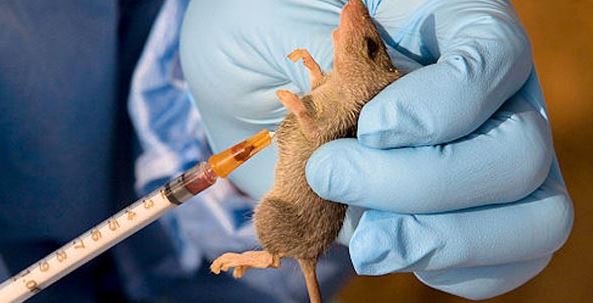
The disease spreads through contact with food or household items contaminated with rodent urine or faeces, direct contact with infected rats, or body fluids from infected persons.
NCDC Director-General Dr. Jide Idris attributed the rise in cases to improved surveillance, climate change, and environmental degradation. He warned that Lassa fever not only k!lls but also affects livelihoods, pushing households into financial distress.
In response, the national Lassa fever Incident Management System has been activated, with the Emergency Operations Centre (EOC) coordinating control measures. The NCDC has expanded testing laboratories from nine to 13 and distributed medical supplies nationwide to curb the spread.
Medical experts have urged Nigerians to improve hygiene, prevent rat infestations, and seek medical attention for persistent fever. They also emphasized the need for a Lassa fever vaccine to reduce the disease’s impact.

