
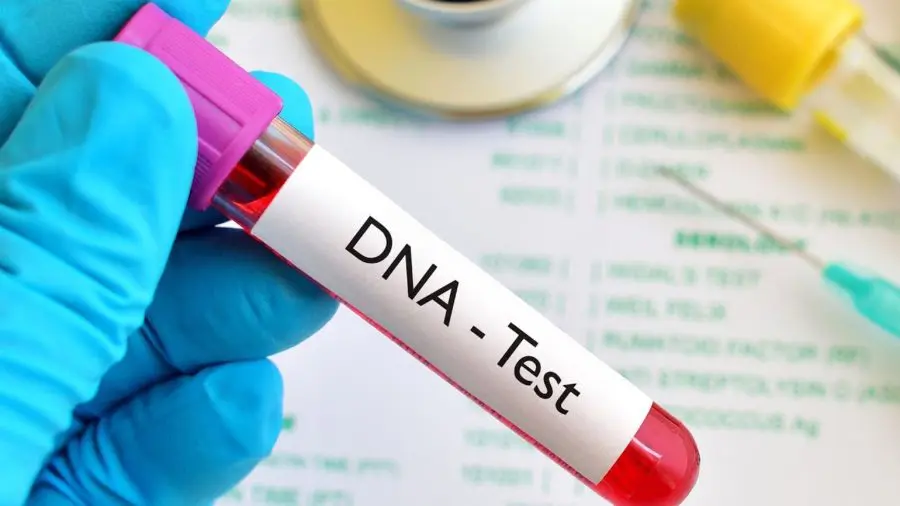
Since reports revealed that one in every four children in Nigeria fail Deoxyribonucleic Acid (DNA) tests, heated discussions have continued nationwide, with many framing the trend as evidence of a growing “paternity scam.” At the heart of the debate is the claim that infidelity among married women is on the rise—a development that some believe is driving men into early graves.
DNA, often referred to as the master blueprint of life, carries genetic instructions vital for development and paternity determination. While the test is a major breakthrough in molecular biology, its outcomes have caused heartbreak for families, often shattering men’s expectations and leaving children, especially grown ones, traumatised.
According to Smart DNA Nigeria’s latest study covering July 2024 to June 2025, 25 percent of paternity tests returned negative, a slight dip from the 27 percent recorded in 2024. The study showed that firstborn children were the most likely to yield exclusions, with firstborn sons topping the list at 64 percent. It also revealed that immigration-related DNA testing accounted for 13.1 percent of all tests during the period, driven largely by Nigeria’s ongoing “Japa” movement as families sought foreign documentation for relocation.
The data further indicated sharp gender and age divides in testing patterns. Men initiated 88.2 percent of all tests, often motivated by long-standing doubts, while women accounted for just 11.8 percent. Nearly half of the tests were ordered by men aged 41 and above, suggesting the influence of financial stability on decision-making. Meanwhile, most of the children tested were aged zero to five, reflecting parents’ preference for resolving doubts early.
Geographically, Lagos remained the hub for DNA testing, accounting for 69 percent of all cases. The balance shifted slightly from the Mainland, which stood at 59.4 percent, toward the Island at 40.6 percent, with Lekki alone contributing 20.3 percent. In terms of ethnicity, Yoruba clients made up 53 percent of cases, Igbo 31.3 percent, and Hausa just 1.2 percent—a distribution the report attributed to cultural differences in attitudes toward paternity testing. The report also showed that 83.7 percent of tests were carried out for peace of mind rather than legal purposes, with court-mandated cases making up only 1.4 percent. Most families tested just one child, reinforcing the view that suspicions were usually targeted rather than broad, with boys tested more frequently than girls due to traditional concerns over inheritance and lineage.
Smart DNA’s Operations Manager, Elizabeth Digia, explained that the findings reflect more than scientific data. “These statistics tell us something profound about trust, relationships and the legal and economic realities of Nigerian families today,” she said, while emphasising the need for sensitivity in handling such life-changing outcomes. The report called for legal reforms to address paternity fraud, greater integration of DNA testing into healthcare, and improved public education to counter misconceptions about DNA services. It also cautioned that the findings reflect only clients with existing paternity concerns and should not be generalised to the wider population.
Public reactions to the report remain divided. Some argue that DNA tests are unnecessary unless another man is contesting paternity. A clinical psychologist with a private hospital in Lagos, Dr. Dipo Olawale, warned against subjecting children to DNA tests based on suspicion alone, stressing that devastating results could cause emotional breakdowns, violence, or even death. “Why not bury your suspicion and let peace reign, so long as nobody is contesting ownership of your children?” he said.
On the other hand, others insist that DNA testing is essential once infidelity is suspected, even without external claims. Chief Wole Adegbola, a strong advocate for early testing, argued that it prevents greater heartbreak later in life. “Imagine discovering at 28 that the child you trained through school is not yours. Early testing gives a man the choice to decide deliberately whether or not to raise such a child,” he explained, noting that suspicions should be addressed sooner rather than later.
While some see DNA testing as a safeguard against betrayal, others warn it could destabilise families and cause long-lasting trauma. With Lagos at the centre of rising DNA cases, the debate underscores deeper issues of trust, marriage, and cultural perceptions of lineage in Nigeria.

