
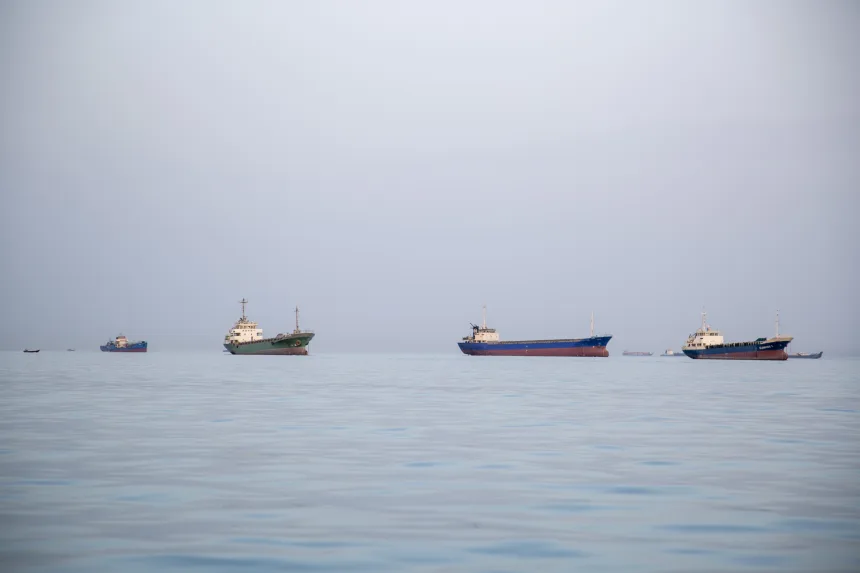
US military officials are refining the US military Strait of Hormuz strategy in preparation for a possible breakdown of the current ceasefire with Iran. The updated plans focus on neutralising Iranian defensive capabilities that could disrupt global shipping routes.
This approach introduces “dynamic targeting,” concentrating on asymmetric threats such as fast attack boats and minelaying vessels. These assets have previously been used by Iran to interfere with commercial maritime traffic in the region.
The renewed focus on the southern Arabian Gulf and the Gulf of Oman signals a shift away from earlier operations that targeted deeper infrastructure within Iran. Instead, the priority is now on securing critical waterways and ensuring safe transit for international vessels.
A key objective of the US military Strait of Hormuz strategy is to weaken coastal defence systems and small naval units that continue to threaten shipping operations. These disruptions have already placed pressure on global trade and energy markets.
In addition to military targets, planners are evaluating potential strikes on dual-use infrastructure and energy facilities as leverage for diplomatic outcomes. Reports also indicate that certain Iranian military figures, including IRGC Commander-in-Chief Ahmad Vahidi, could be considered in broader strategic options due to their alleged role in undermining negotiations.
The strategy follows intelligence reports suggesting that Iran has repositioned missile systems and drone assets during the ceasefire period. This has increased concerns about renewed conflict and preparedness in the region.
Although the ceasefire, which began on April 7, temporarily reduced hostilities, the Strait of Hormuz remains largely closed to international tankers due to ongoing security risks. Shipping operators continue to exercise caution amid uncertainty.
While President Donald Trump has expressed support for a diplomatic resolution, he has made it clear that the ceasefire is not indefinite. With a significant US naval presence in the Middle East and a blockade in place since April 13, officials confirm that multiple response options remain available if tensions escalate.
Read also:
- Iran attacks container ship in Strait of Hormuz as Donald Trump extends ceasefire
- Donald Trump says US forces will remain near Iran until a “real agreement” is secured

