
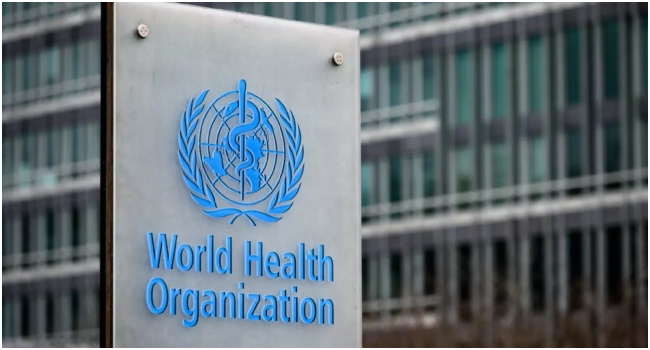
On Tuesday, the World Health Organization (WHO) launched a new platform offering free cancer medicines to thousands of children in low- and middle-income countries, aiming to improve the low survival rates in these regions.
The first shipments of medicines are being delivered to Mongolia and Uzbekistan, with additional shipments planned for Ecuador, Jordan, Nepal, and Zambia as part of the project’s pilot phase.
The treatments are expected to reach approximately 5,000 children with cancer this year, distributed across at least 30 hospitals in these six countries.
“Countries in the pilot phase will receive an uninterrupted supply of quality-assured childhood cancer medicines at no cost,” the WHO stated. The organization noted that childhood cancer survival rates in low- and middle-income countries are often below 30 percent, compared to around 80 percent in high-income countries.
“For too long, children with cancer have lacked access to life-saving medicines,” said WHO Director-General Tedros Adhanom Ghebreyesus.
An additional six countries have been invited to join the platform, which aims to expand to 50 countries over the next five to seven years, providing medicines to approximately 120,000 children. The WHO estimates that around 400,000 children worldwide are diagnosed with cancer each year, with the majority living in resource-poor settings.
“Approximately 70 percent of children in these settings die from cancer due to factors such as lack of appropriate treatment, treatment interruptions, or poor-quality medicines,” the WHO added.
The WHO confirmed that the provision of free medicines will continue beyond the pilot phase, and efforts are underway to ensure the platform’s long-term sustainability.
The initiative, first announced in December 2021, is a collaborative effort between the WHO and St. Jude Children’s Research Hospital in Memphis, Tennessee. The non-profit institution has committed $200 million to support the platform’s launch, according to the WHO.
AFP

