
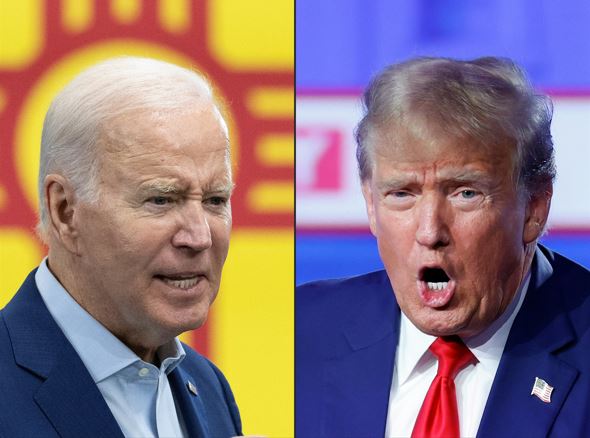
President Joe Biden extended Temporary Protected Status (TPS) on Friday for hundreds of thousands of immigrants from Sudan, Ukraine, and Venezuela, providing them with 18 more months of deportation protections and work permits. This move aims to shield them from efforts by President-elect Donald Trump to revoke these protections once he assumes office.
Alejandro Mayorkas, Secretary of Homeland Security, explained that these designations were based on thorough reviews and interagency collaboration to support individuals impacted by disasters and instability while allowing them to continue contributing to American communities.
TPS, established by President George H.W. Bush in 1990, offers temporary relief to immigrants who cannot safely return to their home countries due to conflicts, natural disasters, or instability. As of 2024, more than one million migrants from regions such as Latin America, the Caribbean, Africa, and the Middle East benefit from this program.
The extension affects 600,000 Venezuelans, who now have protection until October 2026, and more than 100,000 Ukrainians, whose protection lasts until August 2026. Smaller groups, including 1,900 Sudanese and 232,000 Salvadorans, also benefit.
Steve Yale-Loehr, an immigration expert at Cornell Law School, stated that this extension makes it legally challenging for President Trump to deport these individuals in the near future, as the law from 1990 remains in place.
While immigrant advocates have welcomed the decision, critics like Vice President-elect J.D. Vance have argued that the program is being used as a long-term solution rather than providing temporary relief. Vance, who criticized TPS during his campaign, pledged to halt the mass issuance of TPS grants.
For many beneficiaries like Gonzalo Roa, a 43-year-old Venezuelan in Ohio, the renewal is a crucial lifeline. Roa, who works at a car dealership and runs a restaurant with his wife, expressed relief but remains concerned about the future of the program.
In November, Trump announced plans to declare a national emergency on border security and use the military for mass deportations. He has also proposed ending birthright citizenship and ensuring green cards for individuals who complete their studies in the U.S. Trump’s inauguration is set for January 20.

