
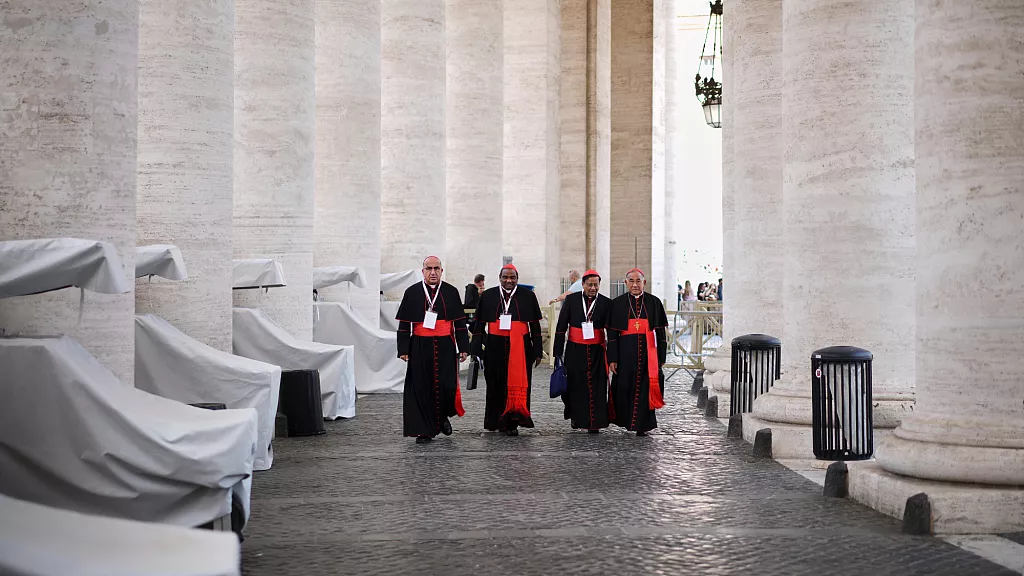
While there’s no rule requiring cardinals to vote along national or regional lines when electing a new pope, understanding where they come from offers insight into the priorities they may bring to the conclave. The process to choose the next leader of the Catholic Church—home to 1.4 billion faithful—officially begins this Wednesday.
A total of 135 cardinals under the age of 80 are eligible to vote. Representing 71 countries, this is the most geographically diverse conclave in the Church’s history. However, two cardinals—one from Kenya and another from Spain—have informed the Vatican they will not attend due to health reasons, bringing the number of voting cardinals to 133.
To be elected pope, a candidate must receive a two-thirds majority vote. With 133 electors expected, that means at least 89 votes are needed.
The countries with the most voting cardinals are:
-
Italy: 17
-
United States: 10
-
Brazil: 7
-
France and Spain: 5 each
-
Argentina, Canada, India, Poland, and Portugal: 4 each
Here’s a breakdown by region, according to Vatican statistics and regional groupings:
-
Europe: 53 (likely 52 due to absence)
-
Africa: 18 (likely 17 due to absence)
-
Asia & Middle East: 23
-
South America: 17
-
North America: 16 (10 Americans, 4 Canadians, 2 Mexicans)
-
Central America: 4
-
Oceania: 4 (1 each from Australia, New Zealand, Papua New Guinea, and Tonga)
This conclave not only reflects the global reach of the Catholic Church but also the growing influence of voices beyond Europe—especially from the Global South.

