
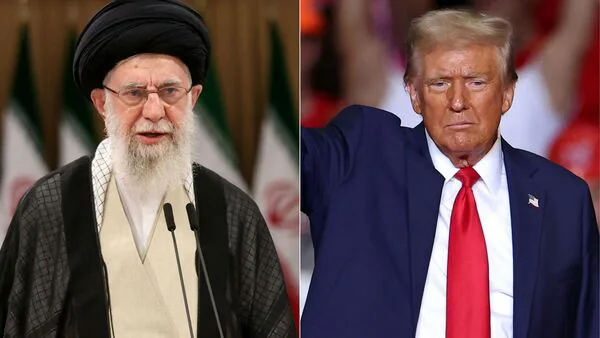
The Pentagon has confirmed that recent US military strikes against Iran have significantly delayed the country’s nuclear programme by an estimated one to two years. The announcement aligns with President Donald Trump’s statement that Iran’s nuclear capabilities were “obliterated” in the attacks.
Pentagon spokesperson Sean Parnell told reporters on Wednesday that three key Iranian nuclear facilities were destroyed in what he called a “bold operation.” Intelligence assessments suggest the strikes “degraded their programme by one to two years at least.”
The strikes, conducted by B-2 stealth bombers on June 21, took place during a 12-day war between Israel and Iran. President Trump has repeatedly said the attacks dismantled Iran’s nuclear infrastructure “like nobody’s ever seen before.”
However, a previously leaked US intelligence assessment indicated that the strikes may have only delayed Iran’s programme by several months and failed to destroy some critical elements. Iran has provided limited information about the damage. While some Iranian officials acknowledged serious destruction, Supreme Leader Ayatollah Ali Khamenei dismissed Trump’s claims as “exaggerated.”
The International Atomic Energy Agency (IAEA) has faced challenges in verifying the aftermath. Director Rafael Grossi told CBS News that it’s unclear whether highly enriched uranium containers were destroyed or moved prior to the strikes. Satellite imagery captured trucks leaving Fordow, Iran’s largest enrichment site, shortly before the attacks.
Grossi warned that Iran could restart uranium enrichment within months, raising concerns over how quickly the programme might recover. Enrichment is a crucial process in producing nuclear energy and, potentially, weapons-grade material.
Following the strikes, Iran’s parliament passed a law suspending cooperation with the IAEA, accusing the agency of failing to condemn the US and Israeli actions. As a result, most of Iran’s nuclear activity is now hidden from international oversight.
The strikes have also raised legal concerns. According to the Geneva Conventions, attacks on facilities containing dangerous forces—such as nuclear plants—are generally prohibited due to the potential threat to civilians.
The escalation began when Israel launched a major offensive on June 13, claiming to prevent Iran from developing a nuclear weapon. Iran, which denies seeking nuclear arms, responded with missile attacks that killed 29 people in Israel.
On day ten of the conflict, the US joined Israel in targeting Iranian nuclear facilities. Tehran retaliated by launching missiles at a US air base in Qatar. No casualties were reported. A ceasefire was reached just hours later.
Both Israel and Iran have declared the outcome a “historic victory.” Israel says it shattered Iran’s nuclear ambitions, while Iran claims it preserved its government and missile capabilities.
Meanwhile, the US State Department has urged Iran to resume cooperation with international inspectors. “It is unacceptable that Iran chose to suspend cooperation with the IAEA at a time when it has a window of opportunity to reverse course and choose a path of peace and prosperity,” said State Department spokeswoman Tammy Bruce.

