
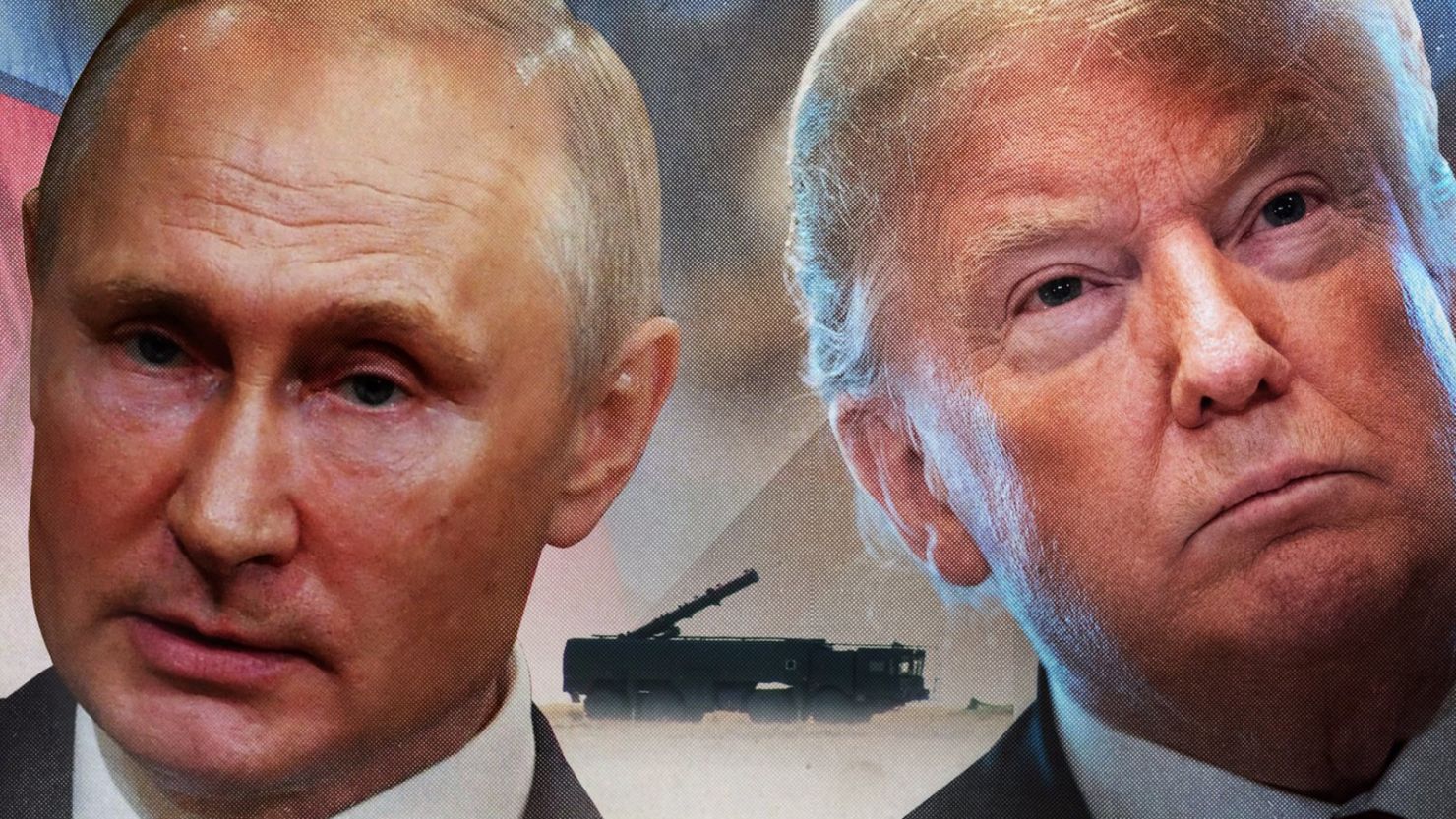
Russia has reportedly started deploying the 9M729 cruise missile in its assaults on Ukraine — a weapon whose secret development originally triggered the U.S. withdrawal from a key nuclear arms control treaty.
According to Reuters, Ukraine’s foreign minister, Andrii Sybiha, confirmed that the missile — capable of carrying both conventional and nuclear warheads — has been launched at Ukraine 23 times since August. This marks the first verified use of the ground-launched 9M729 in combat.
The 9M729 was at the centre of a major dispute between Washington and Moscow. The United States argued that its range violated the 1987 Intermediate-Range Nuclear Forces (INF) Treaty, which prohibited ground-launched missiles with ranges between 500 km and 5,500 km.
Citing Russia’s non-compliance, then U.S. President Donald Trump withdrew from the INF Treaty in 2019. Russia denied any violations, but military analysts assert that the 9M729 can travel well beyond 500 km — with one missile reportedly flying over 1,200 km on October 5. Some estimates suggest its range could reach up to 2,500 km.
Kyiv has condemned the deployment, with Sybiha calling it a direct provocation and a sign of President Putin’s “disregard for U.S. diplomacy and President Trump’s past efforts to contain escalation.”
Western analysts warn that the 9M729’s use significantly enhances Russia’s long-range strike capabilities, originally designed to target sites across Europe. This development follows other concerning moves, including tests of Russia’s nuclear-powered Burevestnik cruise missile and Poseidon underwater drone.
In response, Ukraine continues to urge Washington to provide long-range Tomahawk missiles — weapons exempt from the INF Treaty because they are sea-launched — despite Moscow labelling such a move a “dangerous escalation.”

