
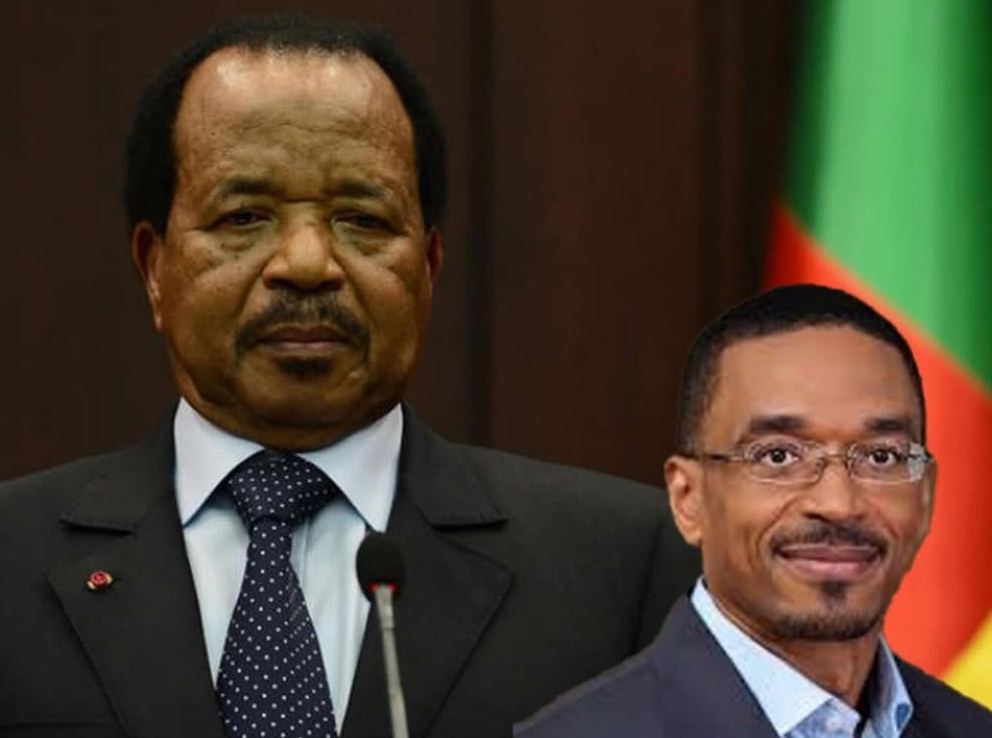
Cameroon’s President Paul Biya has appointed his son, Franck Emmanuel Biya, as Vice President of the Republic and Head of the Armed Forces. The move was confirmed in an official decree dated April 4, 2026, which also names him Minister Delegate at the Ministry of Defence, placing him at the centre of Cameroon’s security structure.
The decree states:
- “Mr Franck Emmanuel BIYA is appointed Vice President of the Republic of Cameroon.”
- “Mr Franck Emmanuel BIYA is appointed Head of the Armed Forces.”
- “The Vice President of the Republic, Mr Franck Emmanuel BIYA, is also appointed Minister Delegate at the Ministry of Defence of the Republic of Cameroon.”
According to the presidency, these appointments were made in line with constitutional and defence laws and based on “service requirements.” The decree will be registered, published urgently, and inserted into the Official Gazette.
This development comes months after Biya, 92, began his eighth term in office following a highly contested election that triggered nationwide protests and international scrutiny. Biya secured 54% of the vote, defeating opposition candidate Issa Tchiroma Bakary, who received 35% and rejected the outcome, alleging electoral fraud — claims denied by the government.
The announcement that Franck Emmanuel Biya appointed Vice President has sparked widespread discussion across political circles, given the concentration of key security and political responsibilities within the presidency’s inner circle.
Observers note that the new structure places significant authority over Cameroon’s armed forces and defence operations under the Vice President’s office, marking a notable shift in the country’s power dynamics.
The development that Franck Emmanuel Biya appointed Vice President has further intensified debate over governance and succession in Cameroon, with analysts closely watching the implications for political stability.
The president described the election as “satisfactory” and praised electoral authorities and security forces for managing post-election demonstrations, while not directly addressing concerns over reported excessive use of force.
Analysts say the move could further intensify political debate within Cameroon as the country navigates governance, security, and succession questions.

