
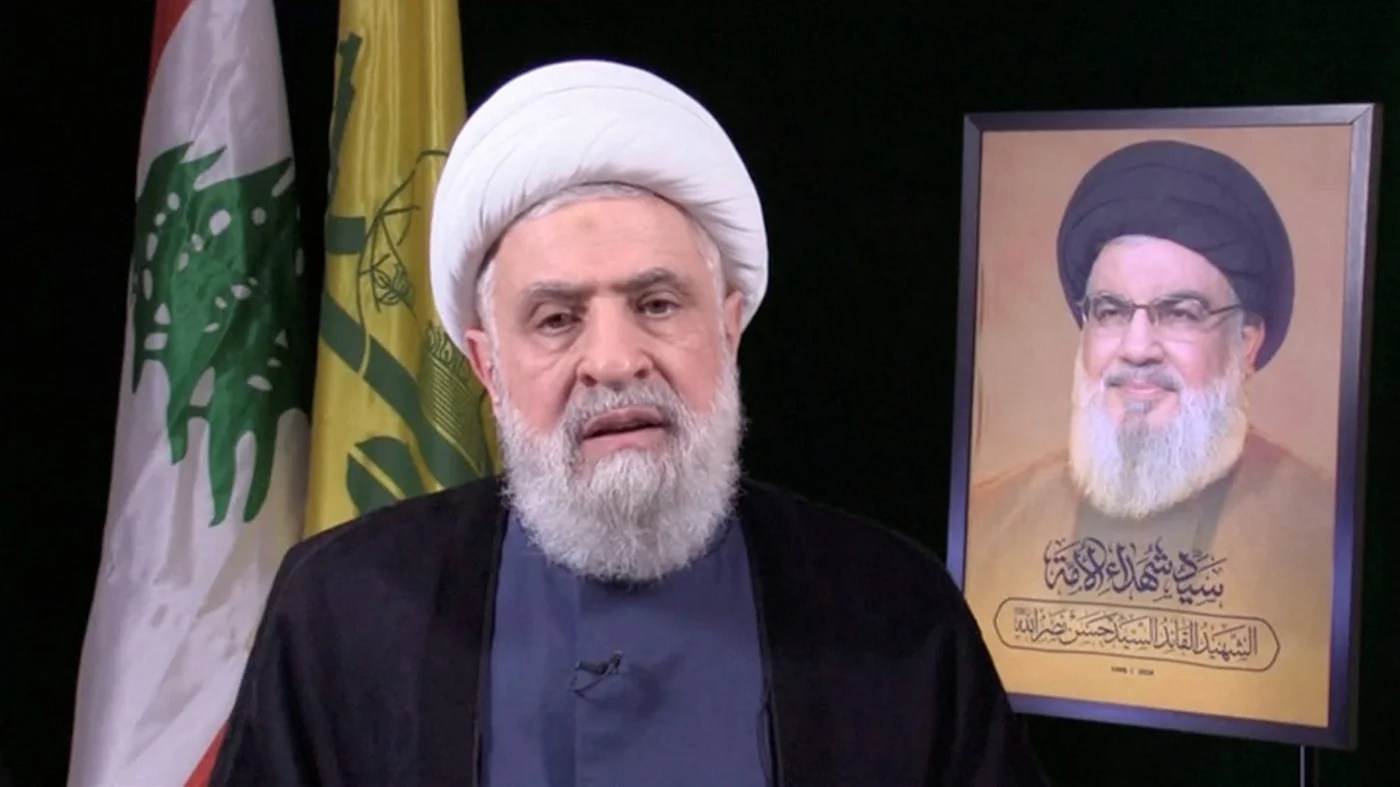
Hezbollah rejects Lebanon Israel talks, with the group’s leader Naim Qassem strongly opposing recent diplomatic efforts involving Lebanon and Israel. The statement was made on Monday, April 27, as tensions in the region continue despite a fragile ceasefire.
The position highlights ongoing political divisions, as some Lebanese officials view the talks as a possible step toward stabilising relations and reducing conflict. However, Hezbollah rejects Lebanon Israel talks, arguing that such engagement undermines national sovereignty and the resistance stance it represents.
According to Qassem, the negotiations represent what he called a “grave sin,” stressing that the group will not accept any form of direct dialogue or normalisation with Israel. His remarks reflect Hezbollah’s long-standing opposition to political engagement with its southern neighbour.
The comments come after reports of diplomatic meetings involving Lebanese and Israeli representatives in Washington, aimed at maintaining a temporary ceasefire. Despite these developments, Hezbollah rejects Lebanon Israel talks and insists that any agreements reached through such channels hold no legitimacy.
“We categorically reject direct negotiations with Israel,” Qassem stated, adding that the group will not recognise the outcomes of these discussions. He further warned that Hezbollah will maintain its military position regardless of state-led diplomatic decisions.
Read also:
- Iran Accuses US of Undermining Diplomacy as Tensions Escalate in Ongoing Nuclear Talks
- White House event shooter identified
Tensions remain high across the region, with continued incidents reported despite the fragile ceasefire agreement. While the Lebanese government explores diplomatic pathways toward stability, Hezbollah rejects Lebanon Israel talks and continues to oppose any form of engagement with Israel.
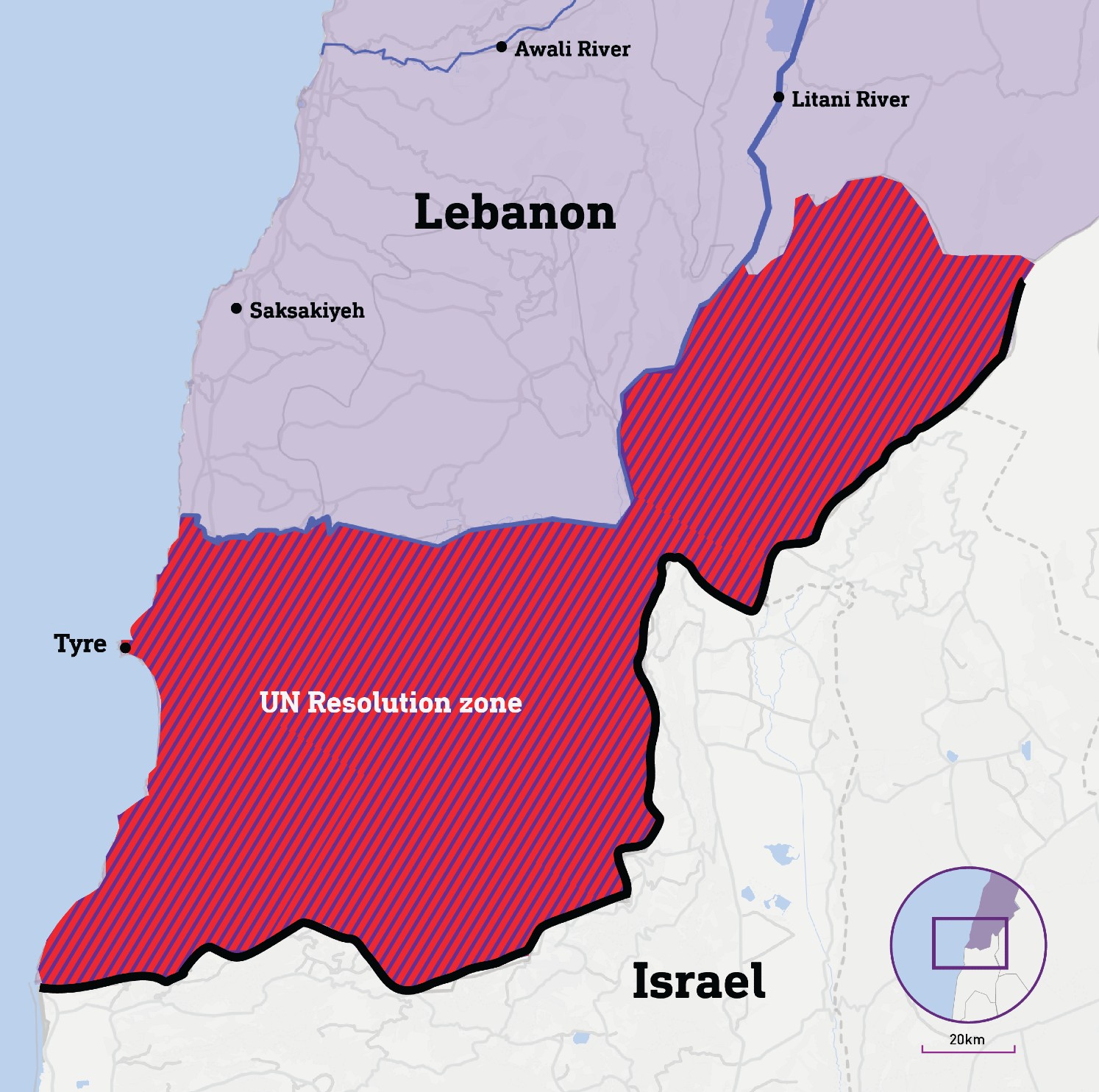
The situation reflects deep internal divisions within Lebanon over how to handle relations with Israel, as political leaders pursue diplomacy while Hezbollah maintains a hardline stance. International observers note that the disagreement highlights the broader struggle between negotiation and resistance shaping Lebanon’s current political landscape.
For now, the debate continues, with diplomatic efforts moving forward on one side and firm rejection on the other.

