
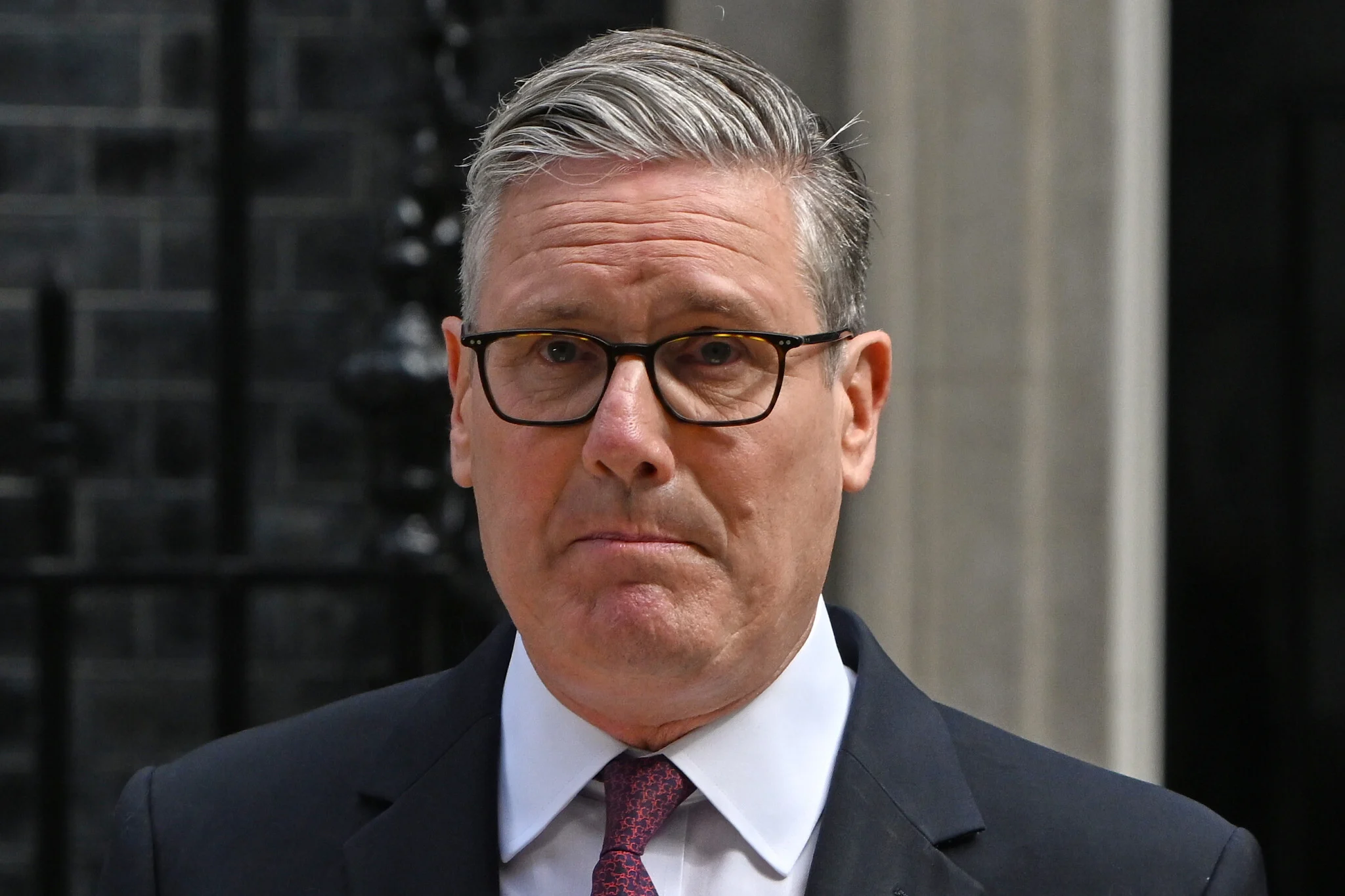
British Prime Minister Keir Starmer has announced his resignation after less than two years in office, bringing an end to a turbulent period marked by political controversies, policy reversals, and declining public support.
The Keir Starmer resignation announcement was made during an emotional speech outside 10 Downing Street, where the Labour leader said every decision he made was guided by what he believed was best for the country. Fighting back tears, Starmer confirmed that he would step down as leader of the Labour Party while remaining prime minister until a successor is chosen.
According to Starmer, the Labour Party will begin the process of selecting a new leader in July. The transition is expected to be completed before Parliament returns from its summer recess in September. He pledged to ensure a smooth and orderly transfer of power during the leadership contest.
The resignation comes after months of growing pressure within the Labour Party. Despite repeatedly insisting that he would remain in office and fight any leadership challenge, Starmer faced increasing criticism following a series of political setbacks and high-profile resignations within his government.
His departure also follows the return of veteran politician Andy Burnham to Parliament after winning a key by-election. Burnham is widely viewed as one of the leading contenders to succeed Starmer as Labour leader and potentially become the next prime minister.
Starmer initially rose to prominence after leading Labour to a decisive election victory in 2024, ending 14 years of Conservative rule. He was credited with rebuilding the party and making it electable again. However, his administration soon faced criticism over several policy decisions, including welfare reforms, spending priorities, and broader economic challenges.
READ ALSO:
- Donald Trump: “I’d be happy to do it” — warns of possible military action in Cuba
- Iran Warns US Against Escalation, Says Wider Conflict Could Follow
His leadership was further weakened by controversy surrounding the appointment of Peter Mandelson as the UK ambassador to Washington, a move that sparked widespread criticism and intensified calls for his resignation.
Another challenge came from the rapid growth of the anti-immigration Reform UK party, which performed strongly in local elections and eroded Labour’s political support base.
The Keir Starmer resignation announcement means Britain is now preparing for its seventh prime minister in just ten years, highlighting the continuing political instability that has characterised the post-Brexit era.
In his farewell remarks, Starmer expressed confidence in his successor and said he would offer full support to the next Labour leader, insisting that the country is stronger and fairer than when he first took office.

