

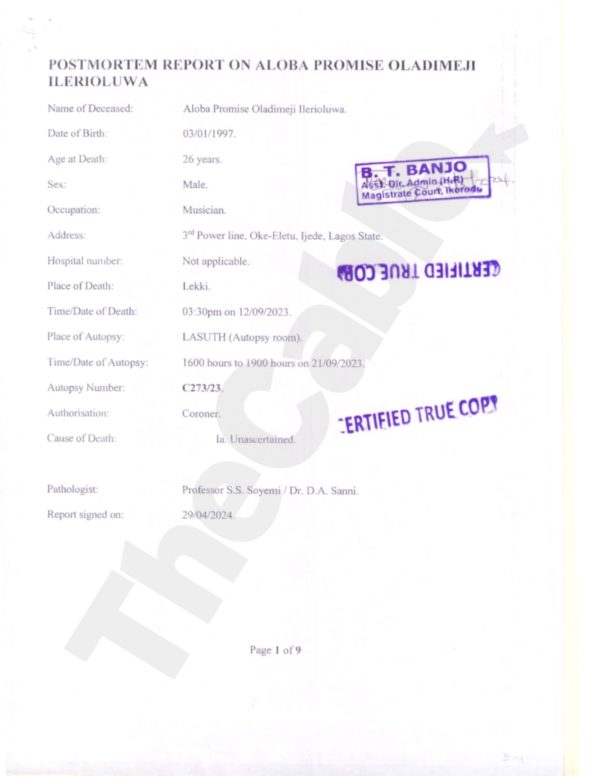
The autopsy conducted on the body of the late singer Mohbad has provided some insights into the potential cause of his death.
The results of the autopsy, carried out at the Lagos State University Teaching Hospital (LASUTH), were obtained by TheCable Lifestyle on Thursday.
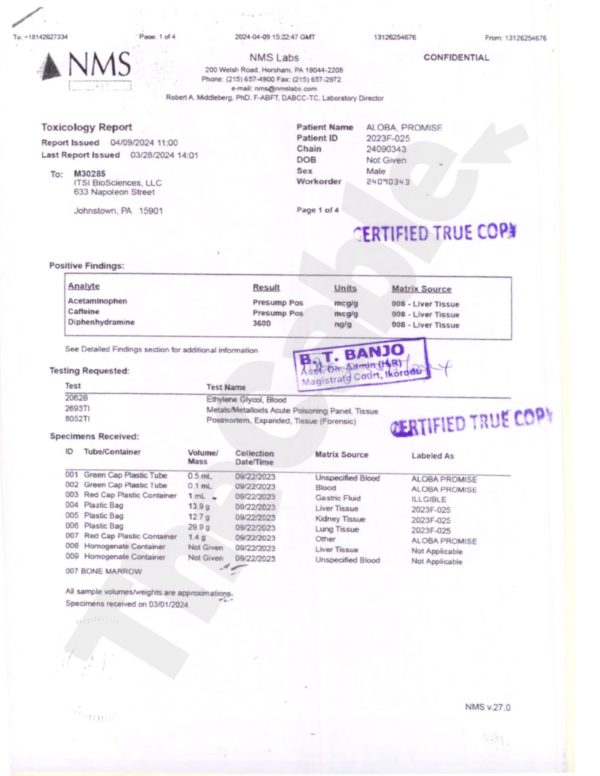
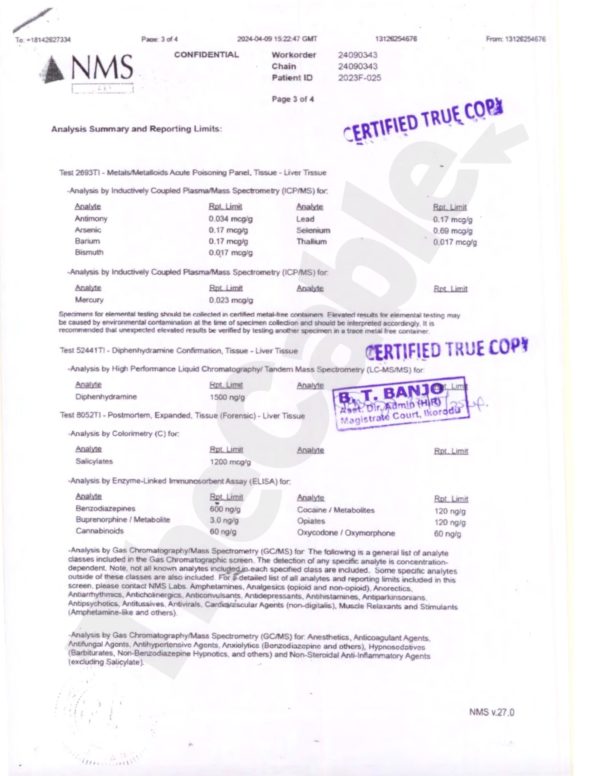
The report detailed that samples of the gastric content, blood, bone marrow, liver, kidney, and lung of the late singer were collected for toxicology testing.
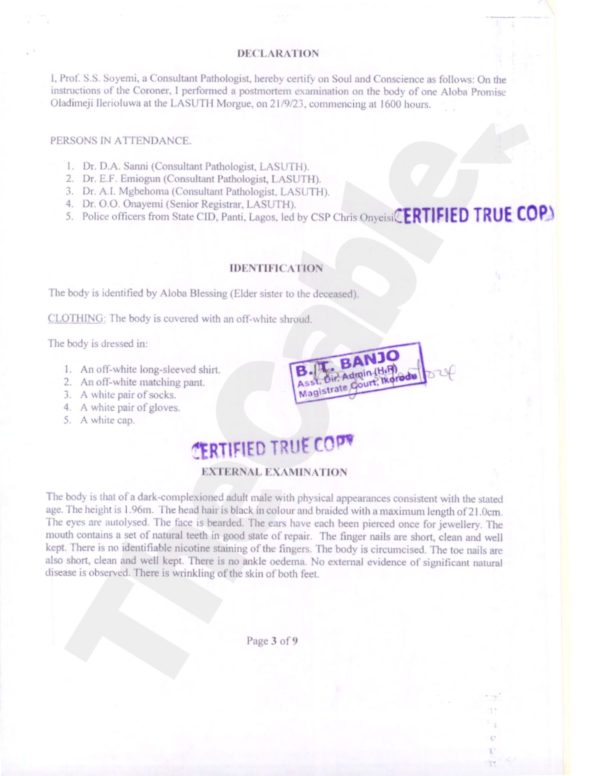
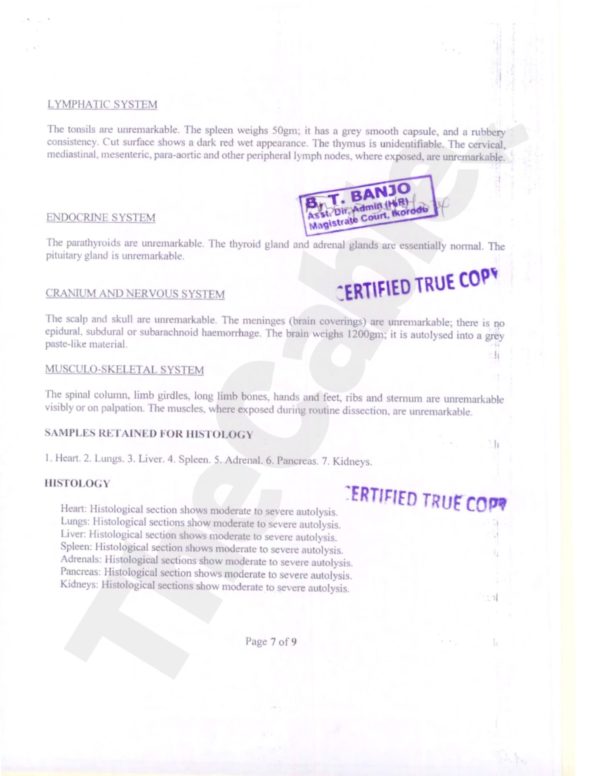
Anatomical and pathological examinations revealed that Mohbad had an injury on his right forearm and that his body exhibited moderate to severe decomposition at the time of exhumation.
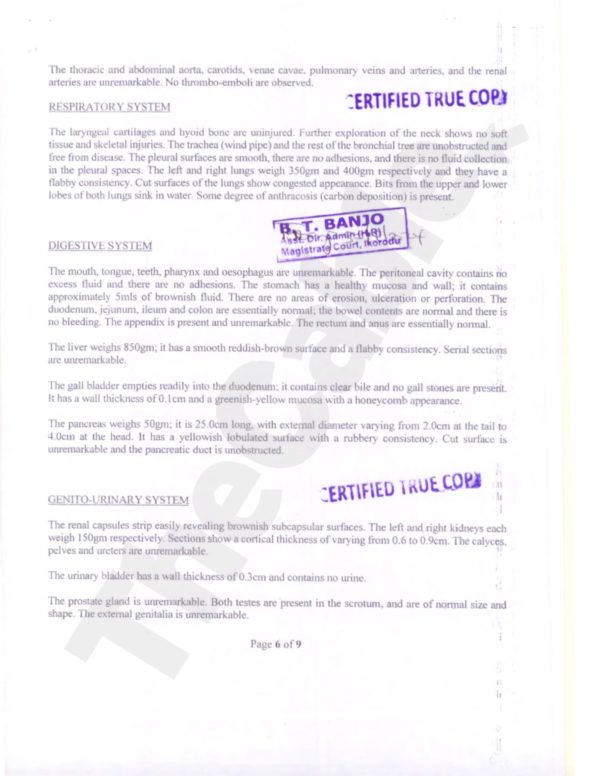
The autopsy also found that there was “no significant gross finding” that could explain the singer’s death.
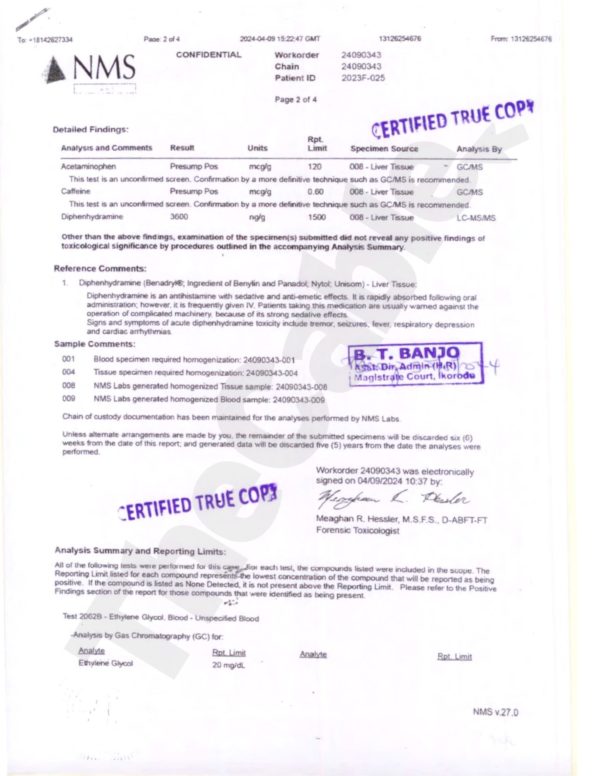
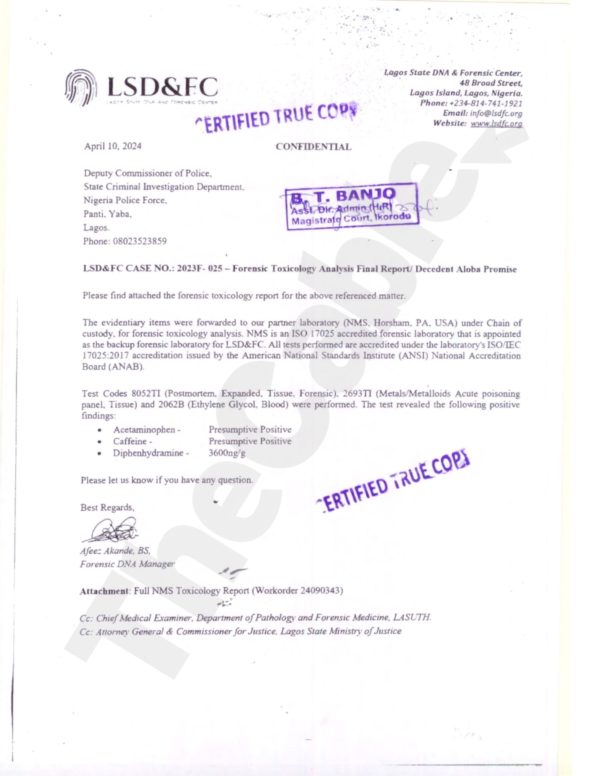
Toxicology results showed “the presence of Diphenhydramine, an anti-histamine; however, this concentration was not within a fatal or lethal range.”
Anti-histamines are drugs used to relieve allergy symptoms and are also used to treat various conditions such as stomach problems, colds, and anxiety, among others.
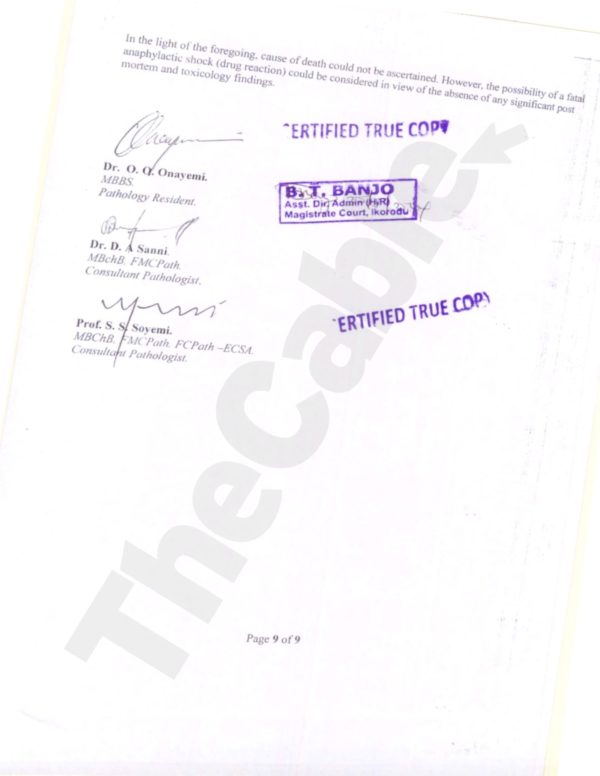
The report stated that the precise cause of death could not be determined. Nonetheless, it mentioned the possibility of a drug reaction, considering the absence of significant post-mortem and toxicology findings.
“It is noteworthy that the body neither underwent an autopsy nor was embalmed prior to burial on the second day,” the report stated.
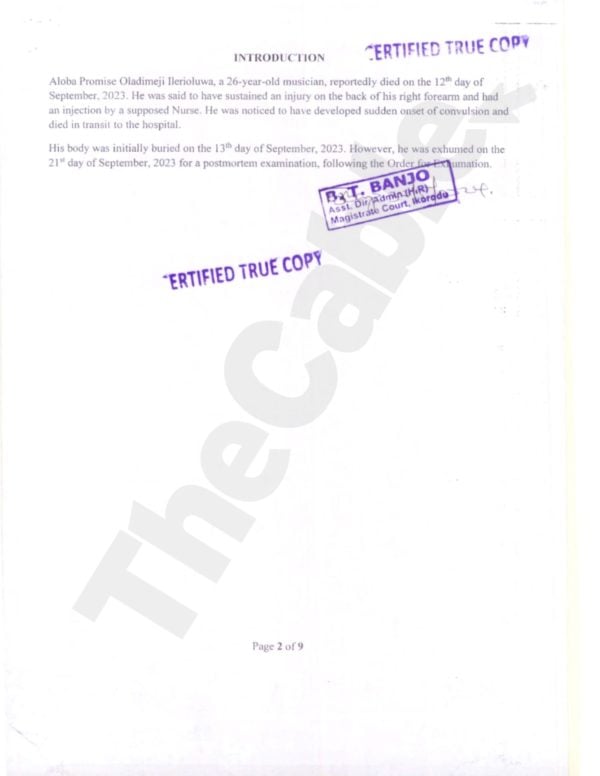
“Following the Order for Exhumation, the body was exhumed on 21/09/2023 (8 days after the burial).
“The autopsy revealed moderate to marked decomposition of the organs. Aside from the superficial injury on the right forearm, no significant gross findings were identified that could be attributed to death.
“Given this context, samples were taken for toxicology to ascertain if there was any anaphylactic reaction, substances of abuse, overdose, or common household poisoning.
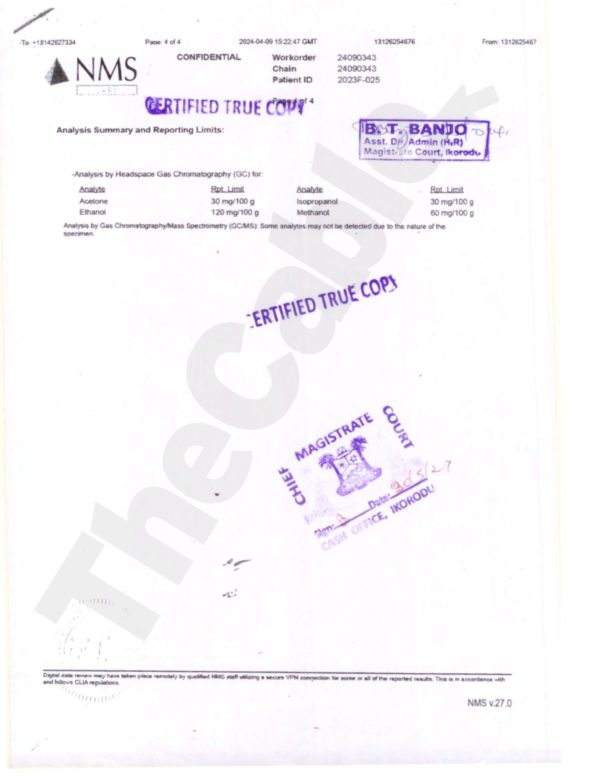
“Toxicology revealed the presence of Diphenhydramine, an anti-histamine; however, this concentration was not in a fatal or lethal range. Other analyses were unremarkable.
“To determine a fatal anaphylactic shock, blood samples need to be taken as soon as possible.
“Regrettably, this was made impossible due to the burial of the deceased on the second day. Therefore, the cause of death could not be definitively determined.
“However, the possibility of a fatal anaphylactic shock (drug reaction) remains a consideration in light of the lack of significant post-mortem and toxicology findings.”
See details below:
Controversy Surrounding Mohbad’s Death
Born Ilerioluwa Oladimeji Aloba, the singer known as Mohbad died under mysterious circumstances on September 12 and was buried the following day.
On September 21, his body was exhumed, and an autopsy was conducted. The police announced they were awaiting the results of the autopsy.
On September 14, Joseph Aloba, Mohbad’s father, disclosed that his son died after receiving an injection administered by an “auxiliary nurse.”
Several suspects, including the auxiliary nurse Feyisayo Ogedengbe, Naira Marley, Sam Larry, and Primeboy, were arrested in connection to Mohbad’s death.
In October, the Lagos police identified the auxiliary nurse who injected Mohbad as the prime suspect in his death.
Idowu Owohunwa, the Lagos state police commissioner, stated that Ogedengbe “administered multiple and highly potent injections which triggered an immediate reaction that eventually caused Mohbad’s death.”
The commissioner explained that the injections, which included tetanus toxoid, paracetamol, and ceftriaxone, were administered at Mohbad’s residence.
“She admitted that it was the injections she gave the deceased that triggered the reactions which eventually led to Mohbad’s death. Other expert opinions and witness statements corroborated her admission,” he added.
“Her actions of administering doses of tetanus toxoid, paracetamol (IV), and ceftriaxone (IV) at Mohbad’s residence on September 12, 2023, immediately and directly triggered the reactions (including vomiting, goosebumps, and convulsions) that eventually resulted in the singer’s death.
“This criminal liability is further heightened by the fact that as an auxiliary nurse, she is not qualified to administer such medications or function as a qualified nurse. She also did this in a non-clinical environment and in a professionally negligent manner that violated standard medical protocols.”

