
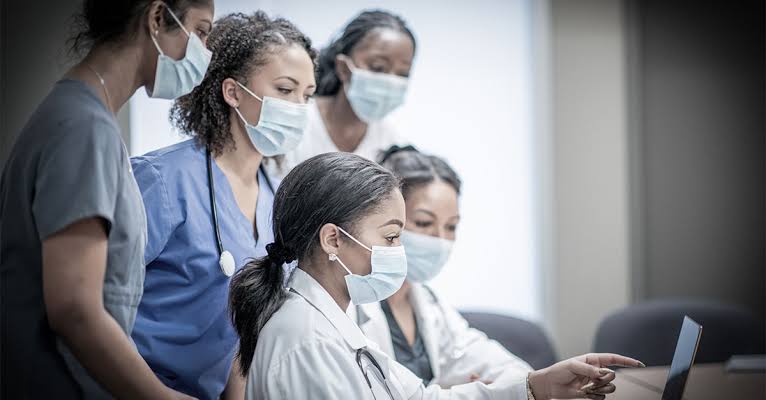
The World Health Organisation (WHO) has emphasized the looming challenge of a significant shortage in the global nursing and midwifery workforce by the year 2030. This assertion was made on International Nurses Day, drawing attention to the current estimated figures of 29 million nurses and 2.2 million midwives worldwide. However, WHO projects a shortfall of 4.8 million nurses and 0.31 million midwives by the specified year.
The organization highlighted that this shortage is particularly acute in regions such as Africa, Southeast Asia, the Eastern Mediterranean, and parts of Latin America. Nurses constitute a crucial segment of healthcare professionals in many countries, often representing half of the total workforce and playing pivotal roles in healthcare organization and implementation.
Moreover, WHO underscores the global distribution imbalance, with over 80 percent of nurses working in countries accounting for only half of the world’s population. Additionally, a notable proportion of nurses, approximately one in eight, practice in countries other than their country of birth or training.
Research has consistently demonstrated the positive impact of a higher number of female nurses on health outcomes. Increased female nursing staff correlates with improved health service coverage, enhanced life expectancy, and reduced infant mortality rates. These findings underscore the significance of investing in and supporting nurses and midwives to bolster healthcare systems worldwide.
Addressing the global nursing shortage is essential for ensuring equitable access to quality healthcare for all individuals. The observed link between the presence of female nurses and positive health outcomes further emphasizes the critical role of this workforce in fostering healthier populations and communities.

