
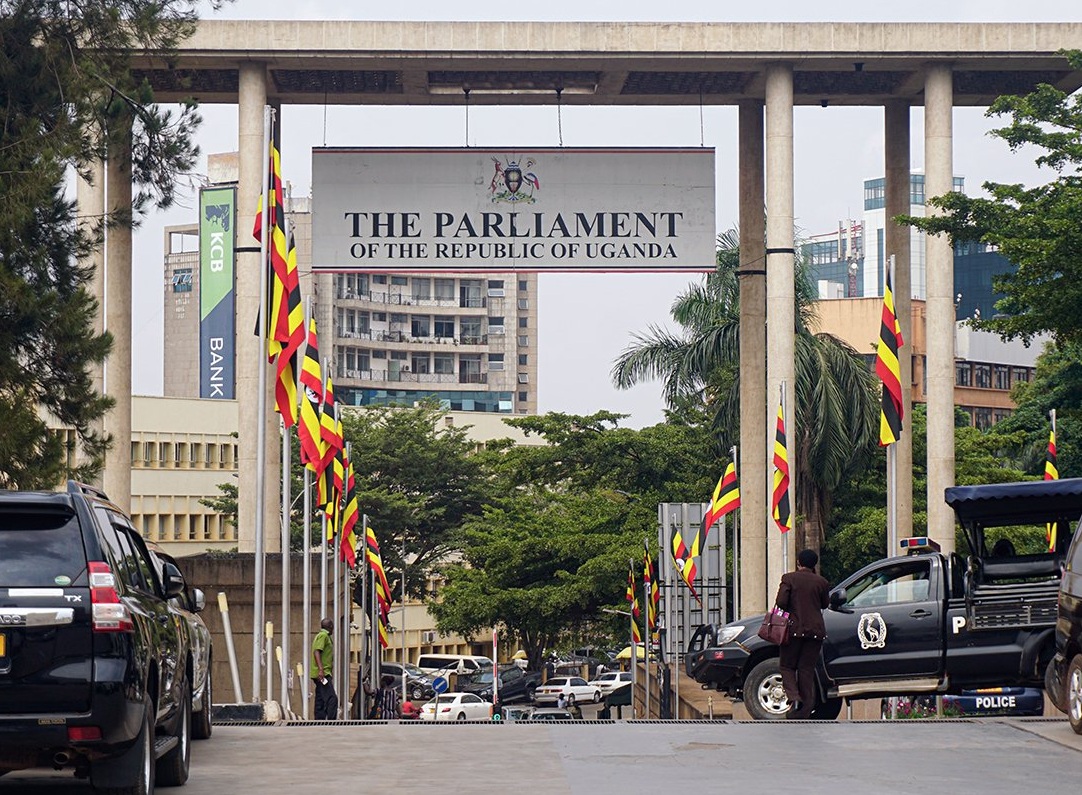
sponse to the country’s controversial Anti-Homosexuality Act (AHA). The law, enacted in 2023, introduced some of the world’s harshest penalties for same-sex relations, including life imprisonment and the death penalty in certain cases.
The suspension came after Uganda’s parliament passed the legislation, sparking widespread international condemnation. Critics argued the AHA violated human rights and international legal standards. At the time, the World Bank stated the law conflicted with its values, halting all new project financing in the country.
In a statement to Reuters on Thursday, June 5, a World Bank spokesperson confirmed the resumption of funding, noting that “mitigation measures rolled out over the last several months in all ongoing projects in Uganda” were now deemed satisfactory.
Following this assessment, the Bank has approved three new development projects focused on social protection, education, and support for refugees and internally displaced communities. These initiatives are intended to address critical needs and have been approved by the Bank’s board.
Uganda relies heavily on World Bank support, especially for infrastructure and transport initiatives. The funding freeze had delayed numerous government-led projects and intensified debates around the role of international donors in influencing domestic policy.
President Yoweri Museveni signed the AHA into law in 2023, introducing the death penalty for “aggravated homosexuality,” which includes cases involving minors, individuals with disabilities, or transmission of HIV. The law also imposes up to 20 years in prison for promoting same-sex relations.
While the World Bank has not endorsed the law, its decision to resume funding signals a delicate shift — one that balances developmental priorities with ongoing concerns over human rights and global scrutiny of Uganda’s policies.

