
Here’s a clear, blog-friendly rewrite of your text:
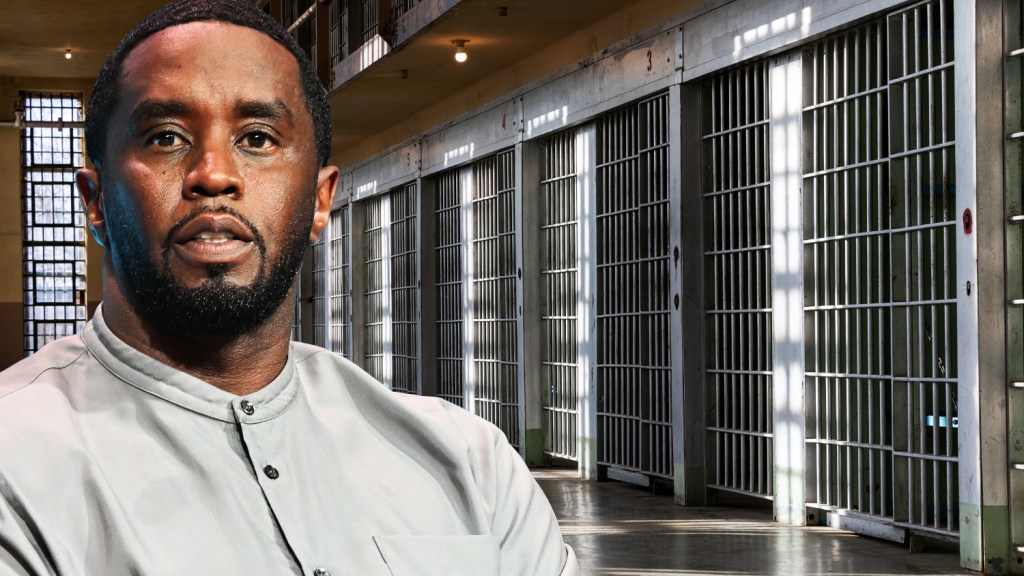
Lawyers for hip-hop mogul Sean “Diddy” Combs have asked a federal appeals court in New York to order his immediate release from prison, overturn his conviction on prostitution-related charges, or instruct the trial judge to reduce his four-year sentence.
In a filing with the 2nd U.S. Circuit Court of Appeals in Manhattan on Tuesday, Combs’ legal team argued that he was treated harshly at sentencing. They claimed that the federal judge allowed evidence from charges Combs was acquitted of to improperly influence the punishment.
Combs, 56, is currently serving his sentence at a federal prison in New Jersey and is scheduled for release in May 2028. He was acquitted in July of racketeering conspiracy and sex trafficking charges but was convicted under the Mann Act, which prohibits transporting individuals across state lines for sexual activity.
According to his lawyers, Judge Arun Subramanian acted as a “thirteenth juror” during sentencing in October by considering acquitted charges, resulting in an unusually severe sentence. They noted that Combs’ convictions were for lesser prostitution offenses that did not involve force, fraud, or coercion, and argued that comparable sentences for similar offenses are typically under 15 months.
“The judge defied the jury’s verdict and found Combs ‘coerced,’ ‘exploited,’ and ‘forced’ his girlfriends into sex and a criminal conspiracy. These judicial findings trumped the verdict and led to the highest sentence ever imposed for any remotely similar defendant,” the lawyers wrote.
At sentencing, Subramanian referenced testimony from two former girlfriends who described being beaten, coerced, and pressured into sexual encounters with male sex workers while Combs watched and filmed. One former girlfriend, Casandra “Cassie” Ventura, testified about hundreds of encounters during their decade-long relationship, including incidents of physical abuse captured on video. A second former girlfriend, referred to as “Jane,” described similar experiences during drug-fueled “hotel nights” between 2021 and 2024.
Subramanian rejected the defence’s portrayal of the encounters as consensual or part of a “sex, drugs, and rock ‘n’ roll” lifestyle. He stated, “You abused the power and control that you had over the lives of women you professed to love dearly. You abused them physically, emotionally, and psychologically. And you used that abuse to get your way, especially when it came to freak-offs and hotel nights.”
The appeals court has not yet scheduled oral arguments in the case.

