
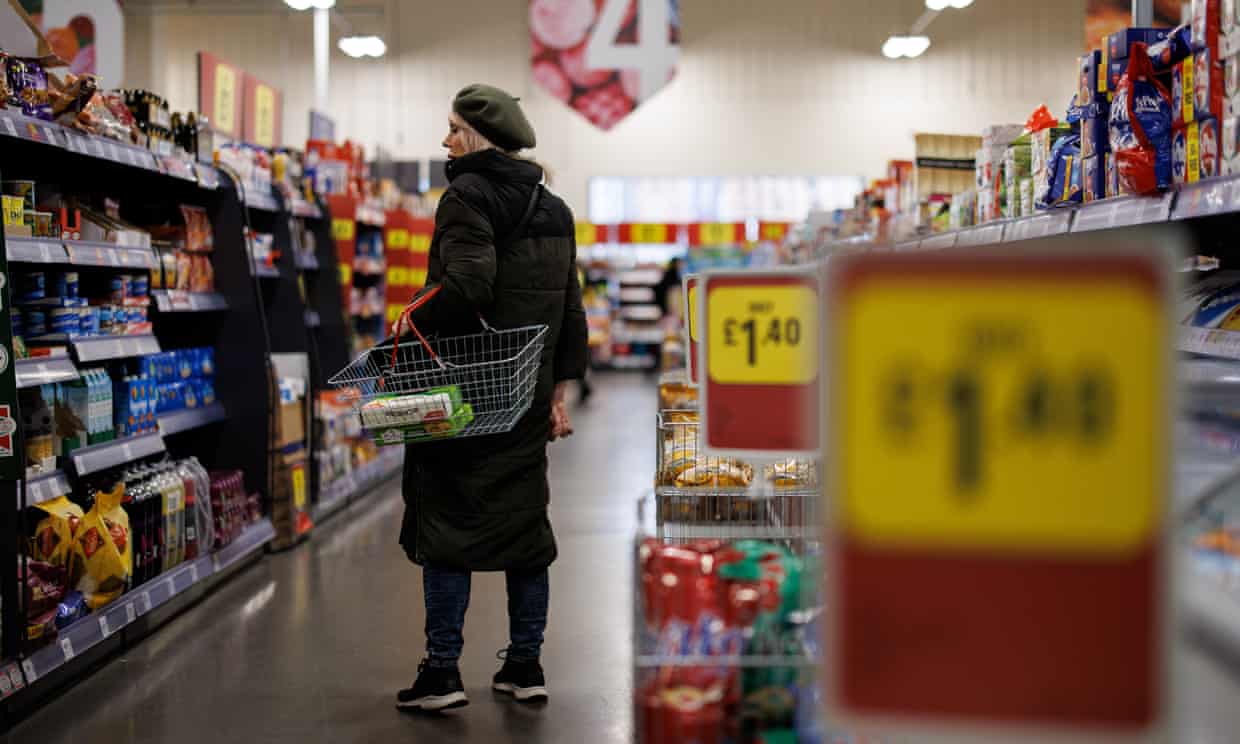
Britain’s inflation rate unexpectedly fell to 2.5% in December, down slightly from 2.6% in November, according to data released by the Office for National Statistics (ONS) on Wednesday. This modest decline offers some respite to the Labour government amid mounting economic challenges.
Analysts had anticipated the Consumer Prices Index (CPI) to remain unchanged from November’s figure. The ONS attributed the drop to lower hotel prices and a slower increase in tobacco costs compared to the previous year. “Inflation eased very slightly as hotel prices dipped after rising in December 2023,” noted Grant Fitzner, chief ONS economist. “Tobacco prices also rose less than they did a year earlier,” he added. However, the decline was partly offset by higher fuel costs and a rebound in the price of second-hand cars, which saw their first annual increase since July 2023.
On a monthly basis, the CPI rose 0.3% in December, slightly lower than the 0.4% increase seen in December 2022. Core CPI, which excludes energy, food, alcohol, and tobacco, also fell, rising 3.2% in the year to December, compared to 3.5% in November.
The inflation figures were released shortly after UK finance minister Rachel Reeves faced criticism in parliament over the government’s economic management. Reeves admitted the need to “go further and faster” to address slow economic growth, rising state borrowing costs, and a sharp drop in the pound’s value.
During a heated parliamentary session, the opposition Conservative Party called for Reeves’ resignation, citing dissatisfaction with her policies. However, Prime Minister Keir Starmer reaffirmed his full support for her.
Further complicating the economic outlook, UK 10-year bond yields recently hit their highest level since the 2008 financial crisis, adding pressure on government finances. This surge may prompt considerations of spending cuts or additional tax increases.
Reeves’ October budget, which included tax hikes on businesses, has been widely criticised as a key factor behind the country’s recent economic stagnation.

