
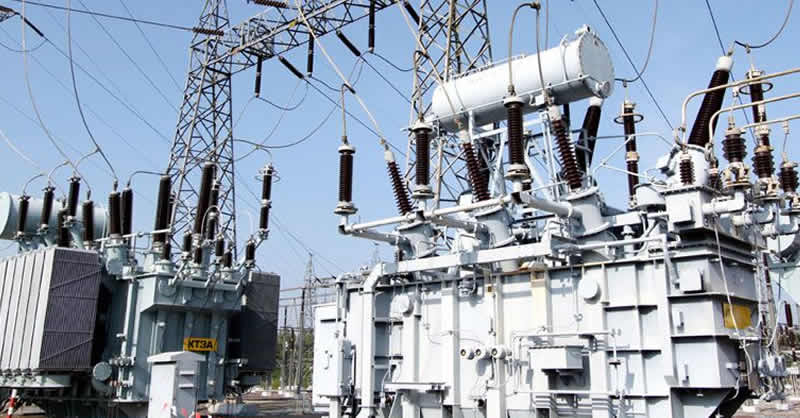
The national electricity grid collapsed again on Tuesday morning, following a previous failure on Monday.
On Monday, the grid went down around 6:18 p.m., leaving many in darkness. Our correspondent’s checks confirmed that power generation fell from 3.87 gigawatts at 5 p.m. to 3.56 GW at 6 p.m., ultimately dropping to 0.00 GW by 7 p.m. and 8 p.m.
Various power distribution companies verified this development. On Tuesday morning, the grid collapsed again at 9:17 a.m. By 10 a.m., power supply had abruptly fallen to 0.00 MW across all regions, plunging the entire nation into another round of total blackout. This incident marks the second grid collapse in less than 24 hours, raising serious concerns about the stability of the nation’s electricity supply.
The Eko Electricity Distribution Company confirmed the system collapse, resulting in a significant loss of power.
“Dear Valued Customer, please be informed that there was a system collapse at 09:17 hrs, which has led to a loss of power supply across our network. We are currently collaborating with our partners to restore the grid quickly. We will keep you updated as soon as power supply is restored,” the company stated. The spokesperson for the Transmission Company of Nigeria, Ndidi Mbah, did not respond to messages and calls from our correspondent.
Power supply was distributed across several distribution companies (DisCos), with allocations as follows: Abuja received 44 MW, Benin 35 MW, Eko 62 MW, Enugu 40 MW, Ibadan 85 MW, Ikeja 72 MW, Jos 10 MW, Kaduna 15 MW, Kano 20 MW, Port Harcourt 23 MW, and Yola 11 MW.
In a conversation with our correspondent about the repeated collapses, Princewill Okorie, Executive Director of the Electricity Consumer Protection Advocacy Centre, expressed regret that the grid continues to fail despite the increase in electricity tariffs.
Okorie lamented that unmetered customers would still be charged for the period of the collapse, questioning what the government is doing to prevent such incidents.

