
A Chinese research team has discovered a new bat coronavirus with the potential for animal-to-human transmission, as it uses the same human receptor as the virus that causes COVID-19.
The study was led by Shi Zhengli, a prominent virologist known as “batwoman” for her extensive research on bat coronaviruses, in collaboration with researchers from the Guangzhou Academy of Sciences, Wuhan University, and the Wuhan Institute of Virology.
Shi, best known for her work at the Wuhan Institute, has been at the centre of controversy over COVID-19’s origins, with some theories suggesting a lab leak. However, no conclusive evidence has been found, and some studies indicate the virus originated in bats and jumped to humans via an intermediate host. Shi has denied any link between the institute and the outbreak.
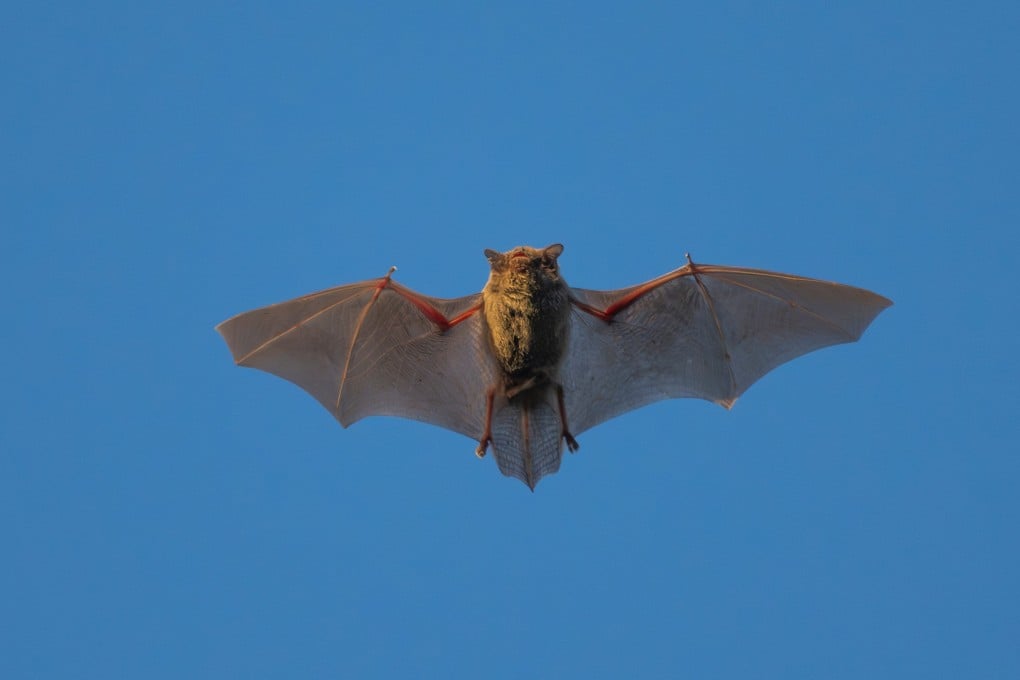
The newly identified virus is a distinct lineage of the HKU5 coronavirus, first detected in Japanese pipistrelle bats in Hong Kong. It belongs to the merbecovirus subgenus, which includes the virus responsible for Middle East respiratory syndrome (MERS).
Researchers found that this virus can bind to the human angiotensin-converting enzyme (ACE2), the same receptor used by SARS-CoV-2 to infect cells.
“We report the discovery and isolation of a distinct lineage (lineage 2) of HKU5-CoV, which can utilise not only bat ACE2 but also human ACE2 and various mammalian ACE2 orthologs,” they stated in their study, published in the peer-reviewed journal Cell.
When isolated from bat samples, the virus successfully infected human cells and lab-grown tissue models mimicking respiratory and intestinal organs.
“Bat merbecoviruses pose a high risk of spillover to humans, either through direct transmission or facilitated by intermediate hosts,” the researchers warned.
The study also found that HKU5-CoV-2 binds not only to human ACE2 receptors but also to those of multiple other species, increasing the likelihood of transmission through intermediate hosts.
The merbecovirus subgenus includes four distinct species—MERS-CoV, two bat coronaviruses, and one found in hedgehogs—and was added to the World Health Organization’s list of emerging pathogens for pandemic preparedness last year.
Earlier this month, Cell published a separate study by researchers from the University of Washington in Seattle and Wuhan University, which concluded that while the HKU5 strain could bind to bat and other mammalian ACE2 receptors, it did not exhibit “efficient” binding to human receptors.

